
Introduction
Workplace safety and injury prevention are critical priorities for any organization. Protecting employees supports a better work environment, and it also reduces the direct and indirect costs of work-related injuries. In a fast-paced workplace, prevention has to be proactive, not reactive.
This article introduces a practical approach built around objective job information: the Job Function Matching System (JFMS) by DSI Work Solutions. The system helps employers analyze and document physical job demands so decisions in hiring, training, ergonomics, and return to work are more accurate and consistent.
An injury prevention system that works for you
JFMS is designed to analyze and document the essential functions of jobs and the physical demands required to perform them. When those requirements are clear, organizations can prevent injuries, manage return-to-work processes more effectively, and improve retention by reducing avoidable mismatch between people and work.
The value of a system approach is consistency. Instead of relying on assumptions or generic policies, teams can use the same objective job standards across safety, HR, supervisors, and medical partners.
Workplace injuries have high costs
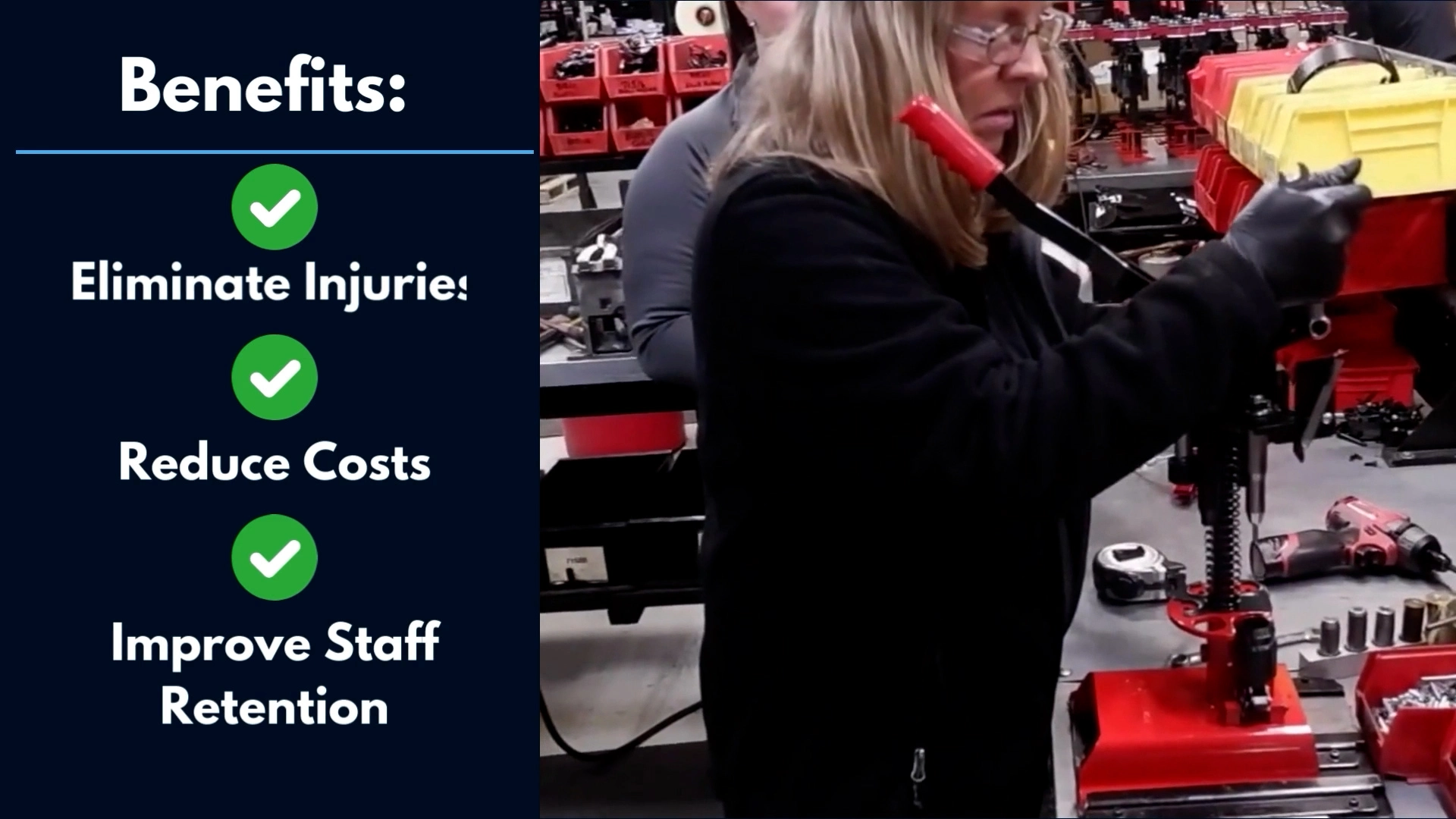
Work injuries are expensive in ways that many organizations underestimate. Beyond claims and medical costs, there are costs tied to overtime, retraining, turnover, and productivity loss.
Several commonly cited benchmarks reinforce the scale of the problem:
- National Safety Council: Workplace injuries cost U.S. employers over $171 billion annually.
- OSHA: Effective injury prevention programs can reduce injury and illness costs by 20 to 40 percent.
- Liberty Mutual Research Institute for Safety: For every dollar spent on workplace safety, employers can save $4 to $6 in associated costs.
Success stories
DSI Work Solutions has reported measurable improvements when organizations implement JFMS. Examples include reductions in injury rate and workers’ compensation claims after job requirements were documented and used consistently across hiring and injury management.
For instance, one manufacturing firm reported a 30% decrease in injury rates within the first year of adoption. Other organizations reported a 25% reduction in workers’ compensation claims, translating into meaningful cost savings.
How the Job Function Matching System works
JFMS is built on a repeatable workflow that turns job demands into usable documentation and decision tools. The goal is to create job standards that stakeholders can actually apply day to day.
Step 1: Analyze physical requirements
Start by examining the tasks employees perform and the physical demands those tasks require. This means gathering objective data that accurately reflects the job, including the forces, postures, repetition, durations, and distances involved where applicable.
This analysis is the foundation for the documentation and the testing that follow.
Step 2: Create user-friendly documentation
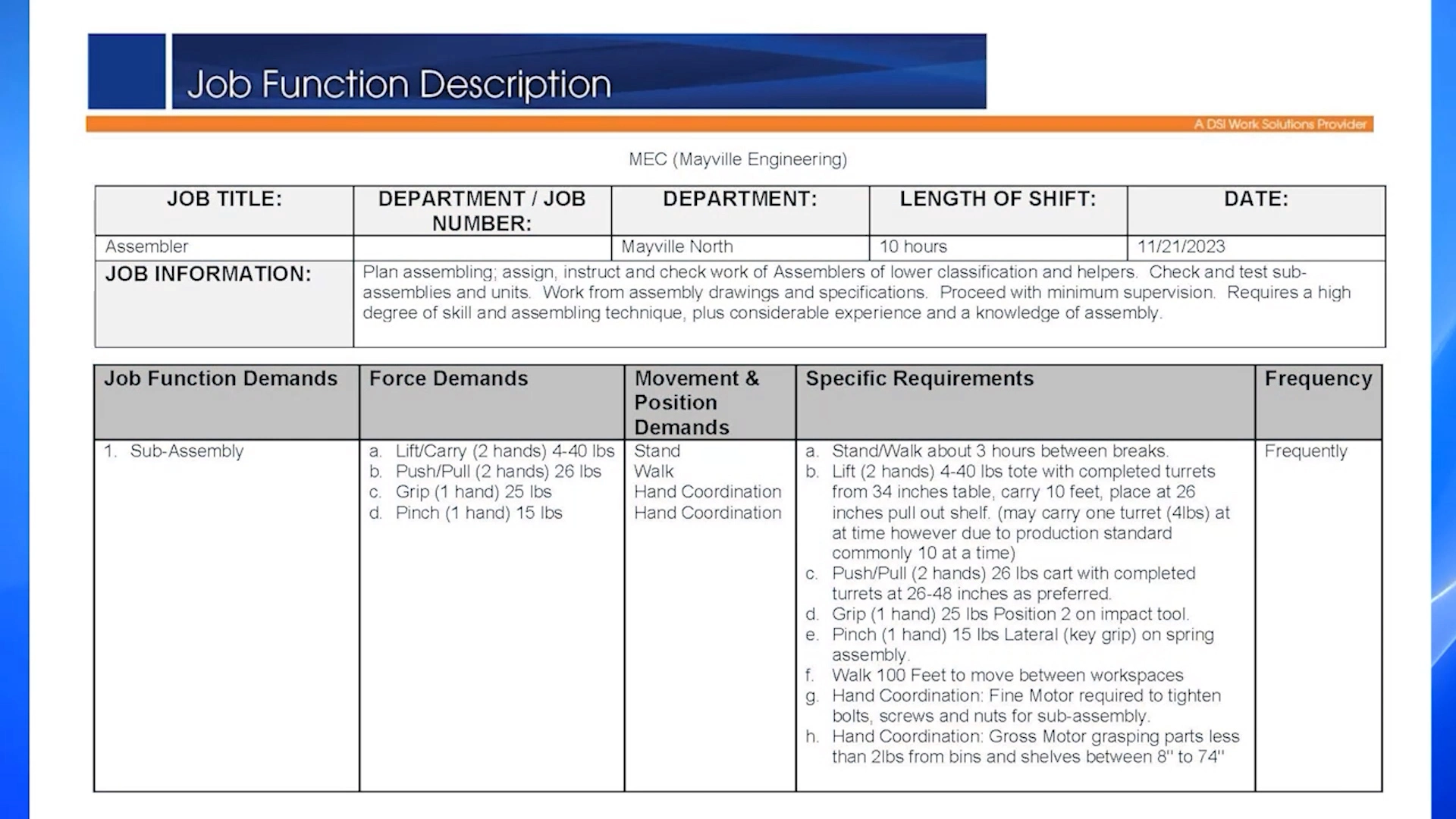
Next, translate the data into job function descriptions. These descriptions document essential functions and the physical requirements needed to perform them safely.
The documentation must be clear, comprehensive, and easy to use by hiring managers, trainers, supervisors, and medical professionals.
Step 3: Verify accuracy and design tests
Verification ensures the documentation reflects the true physical demands of the job. Accurate documentation supports stronger hiring decisions and more precise return-to-work planning.
Job function tests can then be designed from the verified requirements. These tests simulate job tasks to determine whether candidates or returning employees can perform required activities safely.
Step 4: Support hiring and return to work
Job function descriptions and job function tests support onboarding and training by setting clear expectations. For return to work, they help determine whether an employee can safely meet the physical demands of the job and what temporary modifications may be appropriate.
For example, a job function test may include lifting and carrying job-specific weights to confirm safe material handling capacity. The same information can guide light-duty task design during recovery.
Benefits of the Job Function Matching System
1. Efficiency and cost reduction
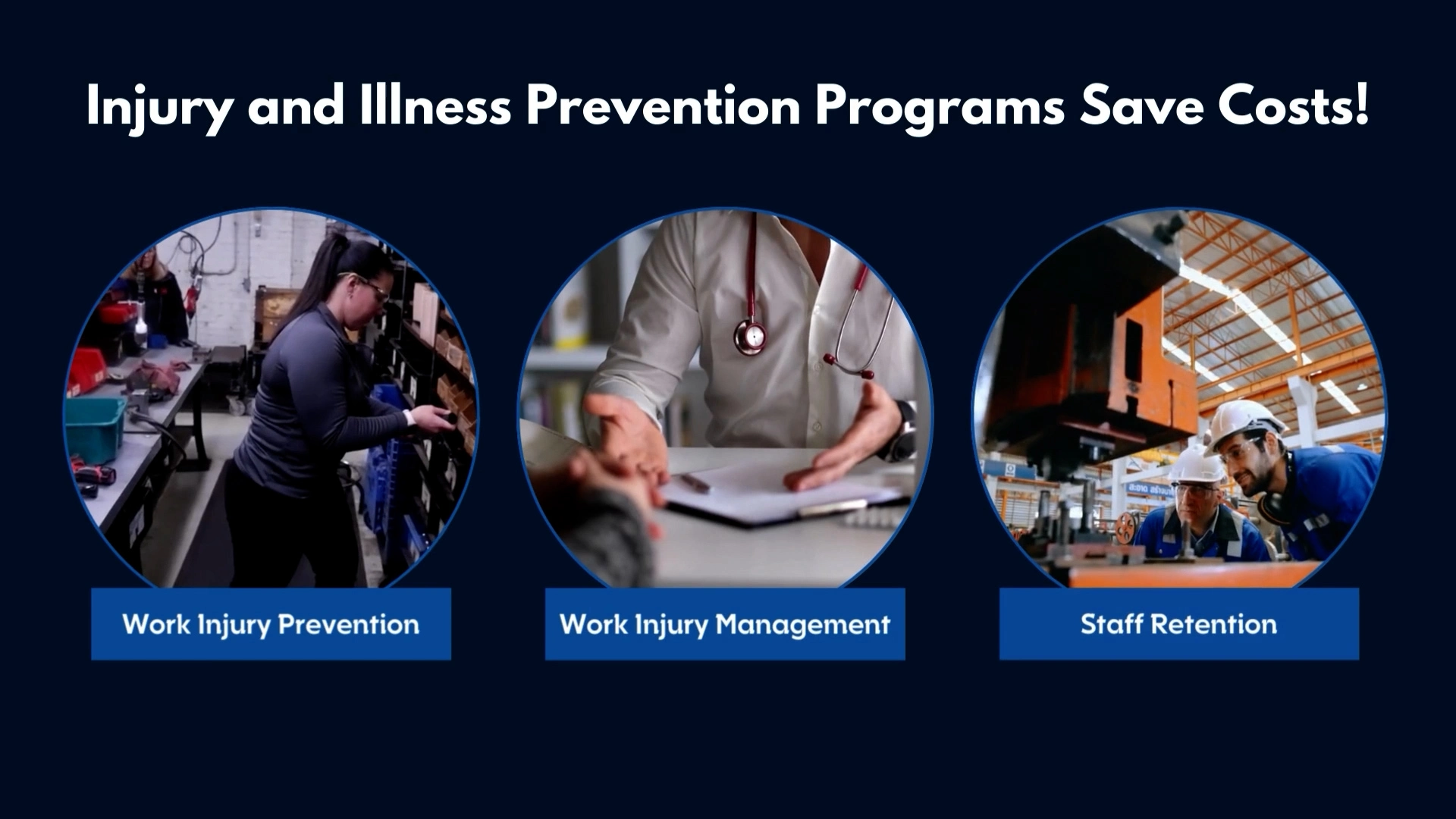
JFMS helps prevent injuries by ensuring employees are physically capable of performing job tasks safely. Fewer injuries and better-managed recoveries reduce medical expense, claim cost, and productivity loss.
2. Staff retention
A safer workplace supports employee satisfaction and retention. When employees see that the organization prioritizes health and provides structured support during recovery, they are more likely to stay.
3. Enhanced hiring process
Job function documentation and testing provide objective criteria during hiring and placement. That improves selection, strengthens onboarding, and reduces the likelihood of preventable injuries caused by mismatch.
4. Supporting injury recovery
The same documentation supports doctors and employers when decisions must be made during recovery. When job requirements are clear, providers can recommend more appropriate restrictions and employers can design safer transitional duties.
5. Ergonomic opportunity reports
Ergonomic opportunity reports can be created from job function analysis to identify risk factors within job tasks. These reports highlight where physical stress is concentrated and point toward practical interventions.
For example, if repetitive lifting occurs at an awkward angle, opportunities may include workstation layout changes or lifting aids. If prolonged bending or reaching is common, adjustable workstations may reduce strain by fitting different body dimensions.
Conclusion
The Job Function Matching System helps organizations create safer, more efficient workplaces by preventing injuries, improving return-to-work decision-making, and supporting retention. The core advantage is clarity: when job demands are documented and used consistently, employers can make better decisions faster.
If you want to strengthen workplace safety and lower injury-related costs, explore the resources and training on our Job Function Matching page. You can also request a meeting to see how the system fits your environment and goals.