
Overview
Many organizations have well-developed processes for maintaining machines and equipment. The same ?maintenance mindset? can also be applied to workforce health and readiness. When employers invest in the day-to-day conditions that support recovery and well-being, they can improve focus, reduce error rates and absenteeism, and strengthen workforce stability.
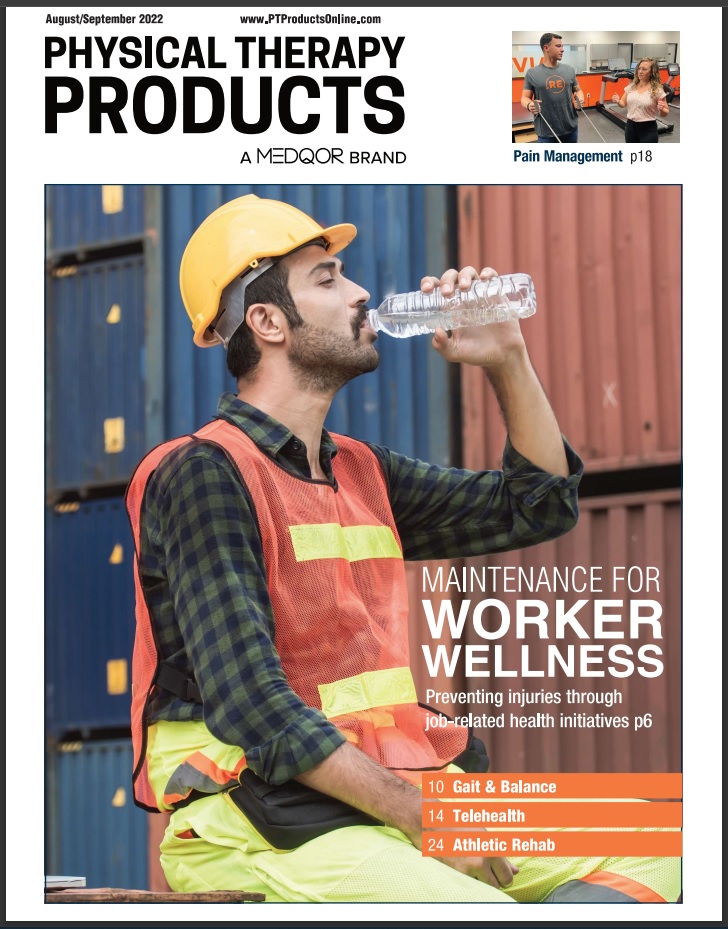
This article was originally published in the Aug/Sept 2022 Physical Therapy Products digital magazine. You can explore the magazine archive here: Physical Therapy Products magazine archive.

Work life influence on total worker health
Quality of work life (QWL) can be understood as the overall quality of an employee?s work experience within an organization. When work supports a healthy and safe lifestyle, employees tend to be more focused, productivity improves, and error rates and absenteeism can decrease.
In today?s tight labor market, many employees spend 40 hours per week at work, and many spend more than that. Double shifts are common in healthcare, distribution, and manufacturing. Long hours can reduce opportunities for adequate rest, proper nutrition, and effective stress relief, increasing risk for health and well-being issues over time.
Research has consistently linked job satisfaction with life satisfaction. Because work occupies a significant portion of daily life, positive workplace influences can benefit employees and employers alike. The impact shows up in performance, attendance, stability, and reduced medical and workers? compensation costs.
Invest in conditions that help workers recover and sustain performance
Supportive break areas, access to nutritious food, and schedules that allow meaningful recovery can go a long way toward maintaining health and sustaining performance over time. These investments can also improve the quality of life of employees? family members and strengthen communities through more stable employment.
The core idea is simple: employers who intentionally improve the workday environment create healthier capacity for the work itself.
A proper work fit
A key factor in workforce maintenance is ensuring employees are well matched to the work and work environment. ?Fit? includes education, training, tools, and equipment, and it also includes the physical capacity required to perform work safely and successfully.
For physically demanding jobs, a practical subset of ?fit? is ensuring workers have the resources and support to sustain the demands over time. Without that support, risk can increase, and performance can become harder to maintain.
Applying maintenance concepts to a workforce
Organizations understand what it takes to maintain tools and equipment, and many have departments dedicated to upkeep, such as housekeeping and maintenance. Applying maintenance concepts to human beings is more complex, but it can produce meaningful results.
When workforce health is treated as an operational priority, employers can reduce avoidable risk, improve consistency, and support a more resilient workforce.
Learn more
If you want to strengthen how your organization defines job requirements, supports job fit, and communicates essential demands across stakeholders, visit our Job Function Matching page.