
Overview
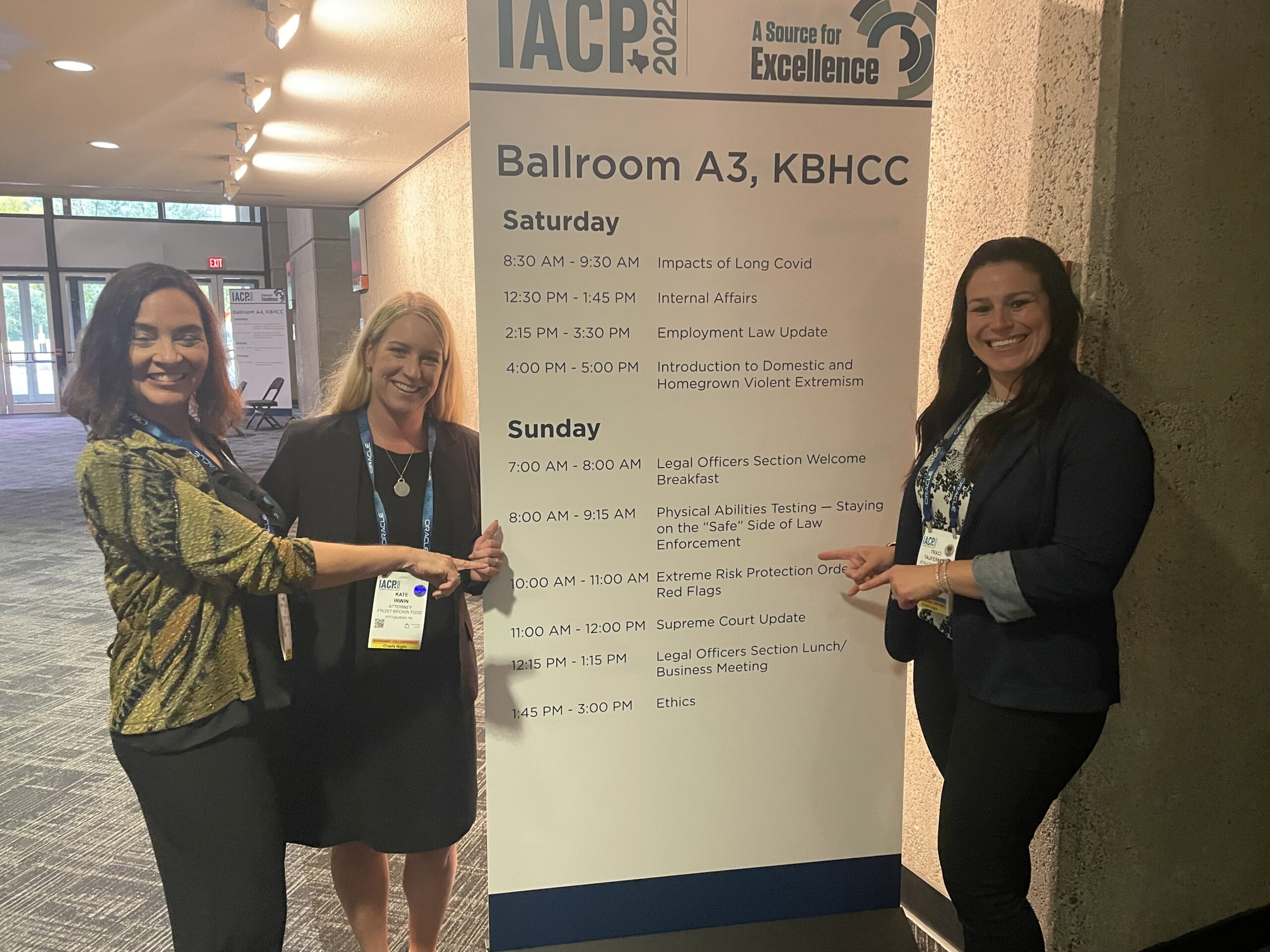
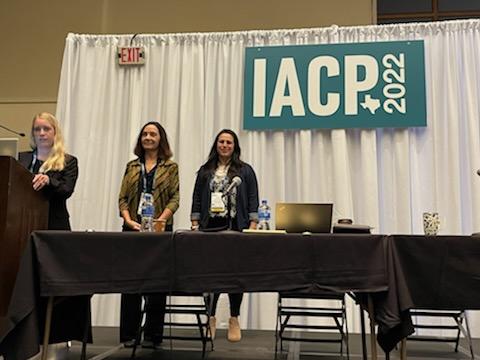
On October 16, 2022, Traci Tauferner, ATC; Kate Koop, Esq; and I presented at the International Association of Chiefs of Police (IACP) conference in Dallas. When you present at a large conference, the goal is simple: make the topic timely, spark forward-looking thinking, and capture attention early so the audience stays for the discussion.
The topic: physical abilities testing and staying on the safe side of law enforcement
Our session focused on physical abilities testing and how agencies can incorporate physical demands testing in defensible ways. Kate opened by grounding the discussion in employment law requirements, especially the ADA and Title VII, and explained that agencies can use job-related physical demands testing when the approach meets legal expectations.
She then walked through legal cases and outcomes that illustrate what tends to hold up, what raises risk, and where employers can unintentionally drift away from job-related, evidence-based decision-making.

Why content validity matters in testing
I followed with an introduction to content validity-based testing, contrasted with criterion validity-based testing. In practice, content validity helps address several high-stakes issues at once:
- Disparate impact concerns, including impacts on female officer candidates
- Recruiting and retention pressures, where agencies need capable candidates and cannot afford to screen out willing applicants using tests that are hard to explain as job-related
- Defensibility, because agencies must be able to articulate that their process is job-related and consistent with business necessity
We also referenced video from a Madison, Wisconsin newscast to help illustrate how these topics show up in the real world and why the framing of “job-related” matters to candidates and to the public.

Return-to-work examples that connect testing to outcomes
Traci brought the presentation together with return-to-work cases that show how a content valid approach can support officers after injury or illness. The theme was trust and specificity: when the professional guiding return to work understands the realities of police work, recommendations are more likely to be perceived as credible and to lead to safer, more confident, more timely returns.
This is where systems and documentation matter. If an agency cannot clearly describe essential functions and the critical physical demands tied to those functions, it becomes harder to make consistent decisions and harder to explain those decisions when challenged.
A defensibility milestone: City of Marshfield fit-for-duty testing
Importantly, the three of us shared the outcome of a legal case we each had a role in: Marshfield Police Protective Association (MPPA), Wisconsin Professional Police Association (WPPA), and the City of Marshfield.
The City successfully defended a critical portion of a fit-for-duty test that was built on content validity. It is one example of a broader point: progress comes from challenging the status quo and insisting on processes that can be explained, supported, and defended.
Practical takeaways for agencies
- Start with the job: define essential functions and the demands that truly matter to safe performance.
- Choose testing you can defend: align testing content to real job tasks and document the rationale.
- Avoid “because we always have” decisions: policies and protocols should support consistent decisions, but still allow for individualized, job-based evaluation.
- Build cross-functional alignment: HR, legal, medical providers, and operations should speak the same language about requirements and risk.
Learn more
If your organization is evaluating job-related physical demands testing, accommodations, or fit-for-duty decisions, a clear, job-based documentation workflow can reduce confusion and improve defensibility. Learn how DSI approaches job matching and job-specific demands documentation on our Job Function Matching page.