Introduction
I am Ginnie Marshall, formerly known as Ginnie Halling, and I have spent more than 30 years working in functional testing, work hardening, work conditioning, and return-to-work services. Throughout my career, I have had the privilege of teaching therapists across many settings how to perform evaluations that are accurate, clear, and useful in real decision-making.
This FCA series is built for physical and occupational therapists who want practical guidance they can apply in day-to-day practice. Whether you are new to Functional Capacity Evaluations or already performing them, my goal is to help you strengthen your clinical process and your report defensibility.
Functional Capacity Evaluations can influence disability decisions, employment pathways, and long-term patient outcomes. Because of that, every part of the process must be structured, objective, and tied to the referral question.
What Functional Capacity Evaluations Are Designed to Do
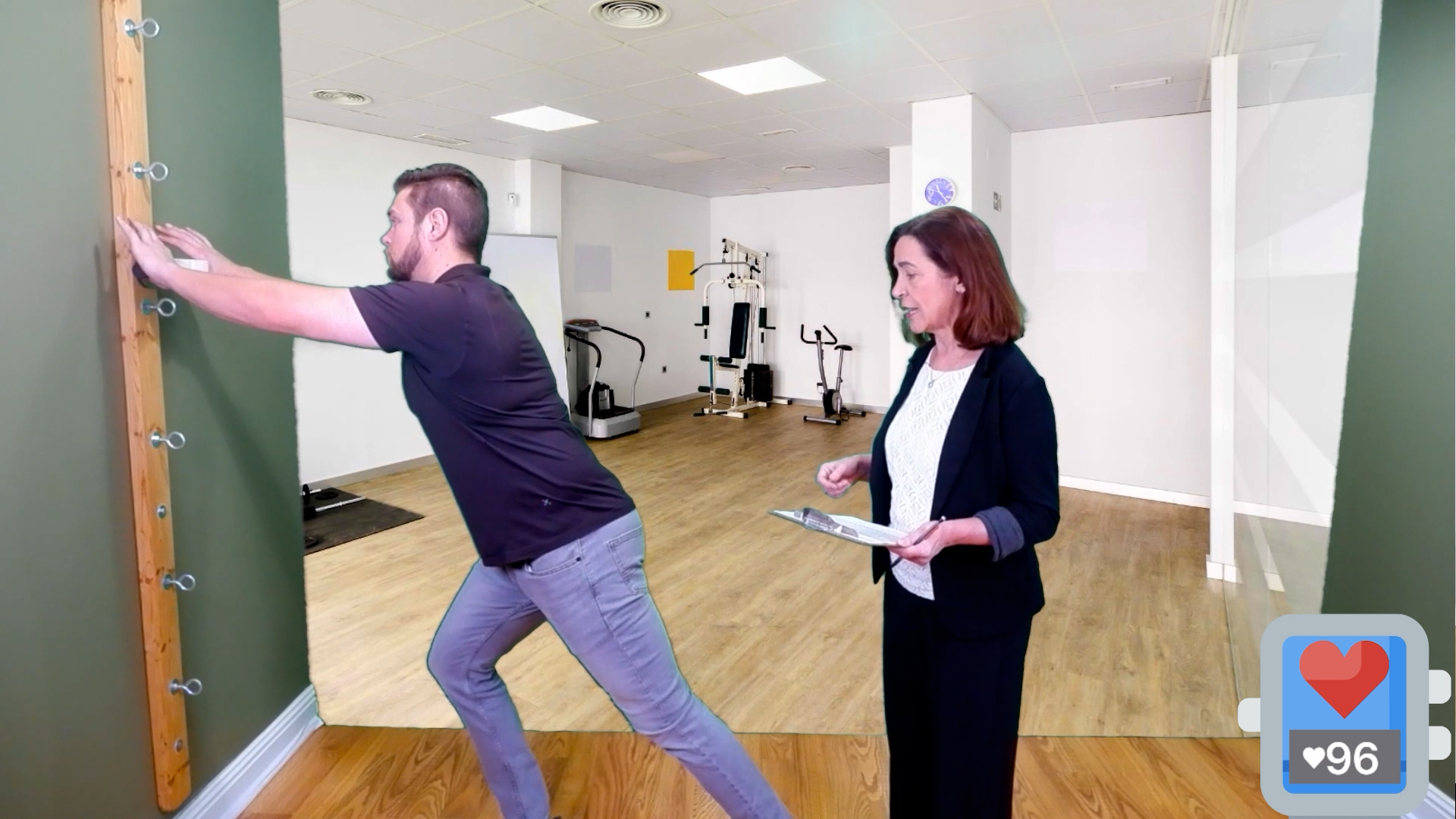
An FCA is not simply a general strength test. It is a standardized clinical process used to answer specific work-related questions, such as safe lifting tolerance, positional endurance, and whether a patient can meet critical job demands safely and consistently.
When done well, FCA results support physicians, case managers, insurers, employers, and patients with clear information they can trust. These evaluations are especially valuable when decisions involve return to work, modified duty, disability status, or further rehabilitation planning.
When done poorly, confusion follows quickly. Inconsistent testing and weak documentation can delay decisions, increase disputes, and reduce confidence in the therapist's recommendations. Strong FCA practice protects both the patient and the decision-making process.
The DSI Work Solutions Methodology
The DSI Work Solutions methodology is rooted in the pioneering work of Susan Isernhagen and refined through decades of field application. This approach combines standardized testing, observational data, and clinical reasoning to create recommendations that match real work demands.
One of the strengths of this methodology is that it balances structure with clinical judgment. Therapists follow a reliable testing framework while still interpreting behavior, effort consistency, and symptom response in context.
I teach therapists to connect test findings directly to job tasks and referral intent. That shift improves report quality, reduces interpretation gaps, and gives referral sources the confidence to act on the conclusions.

How a Strong FCA Process Is Structured
A defensible FCA begins with clarity. Before testing starts, the therapist should define the referral question, review available records, and confirm the work context. That preparation phase determines whether the test day will produce useful, decision-ready data.
In our coursework, we focus on a process that covers:
- Clarify the referral question and required work outcomes.
- Run a standardized, job-relevant testing sequence.
- Document observations and conclusions in clear, supportable language.
Testing should occur in a controlled environment with consistent procedures and clear therapist cueing. Reporting should then tie observed performance to work ability recommendations in language that is objective and defensible.

Handling Effort, Consistency, and Complex Cases
One of the most important skills in FCA practice is evaluating performance consistency. Patients may present with fear, frustration, urgency to return to work, or uncertainty about legal outcomes. Those factors can influence how they perform during testing.
Therapists need to observe patterns across tasks, monitor behavior and symptom reporting, and interpret effort with care. The objective is not to challenge patients, but to produce valid findings that support safe and appropriate recommendations.
Early in my career, I evaluated a patient with multiple failed total hip replacements who had his hip joint removed. The referral question was whether he could safely return to work as a commuter train conductor. Standard testing gave us strong baseline data, but job-specific analysis was critical before forming a final recommendation.
Why FCA Matters for Rehabilitation and Employment
FCA data does more than answer one referral question. It helps shape rehabilitation plans, identify remaining barriers, and support practical decisions about accommodations, work level, and progression back to full duty.
In complex claims, FCA findings may also become part of legal or disability review processes. That reality is exactly why precision in testing and reporting matters. Our profession has a responsibility to provide findings that are objective, transparent, and clinically sound.
When FCA services are delivered with consistency, everyone benefits. Patients get safer planning. Referral sources get stronger reports. Therapists strengthen their credibility and impact.
Build Your FCA Expertise with DSI
If you want to improve your FCA process, start with our Functional Capacity Evaluation training and implementation support. You will get an organized methodology, practical education, and resources that help your team produce high-quality, defensible work.
Our FCA Independent Learning pathway includes on-demand instruction, implementation guidance, and the FCA Productivity Suite so you can apply what you learn with confidence. The goal is simple: help you deliver better evaluations that support better outcomes.