Introduction
Functional Capacity Evaluations (FCEs) play a central role in physical and occupational therapy when decisions depend on safe, real-world work ability. This article is the third installment of our five-part video series and focuses on two fundamentals that strengthen evaluation quality: content validity and legal alignment.
When an FCE mirrors real job demands and follows clear guidelines, it becomes more than a test session. It becomes a practical bridge between clinical expertise and workplace decision-making, improving the usefulness and defensibility of final recommendations.
Navigating legal considerations in Functional Capacity Evaluations
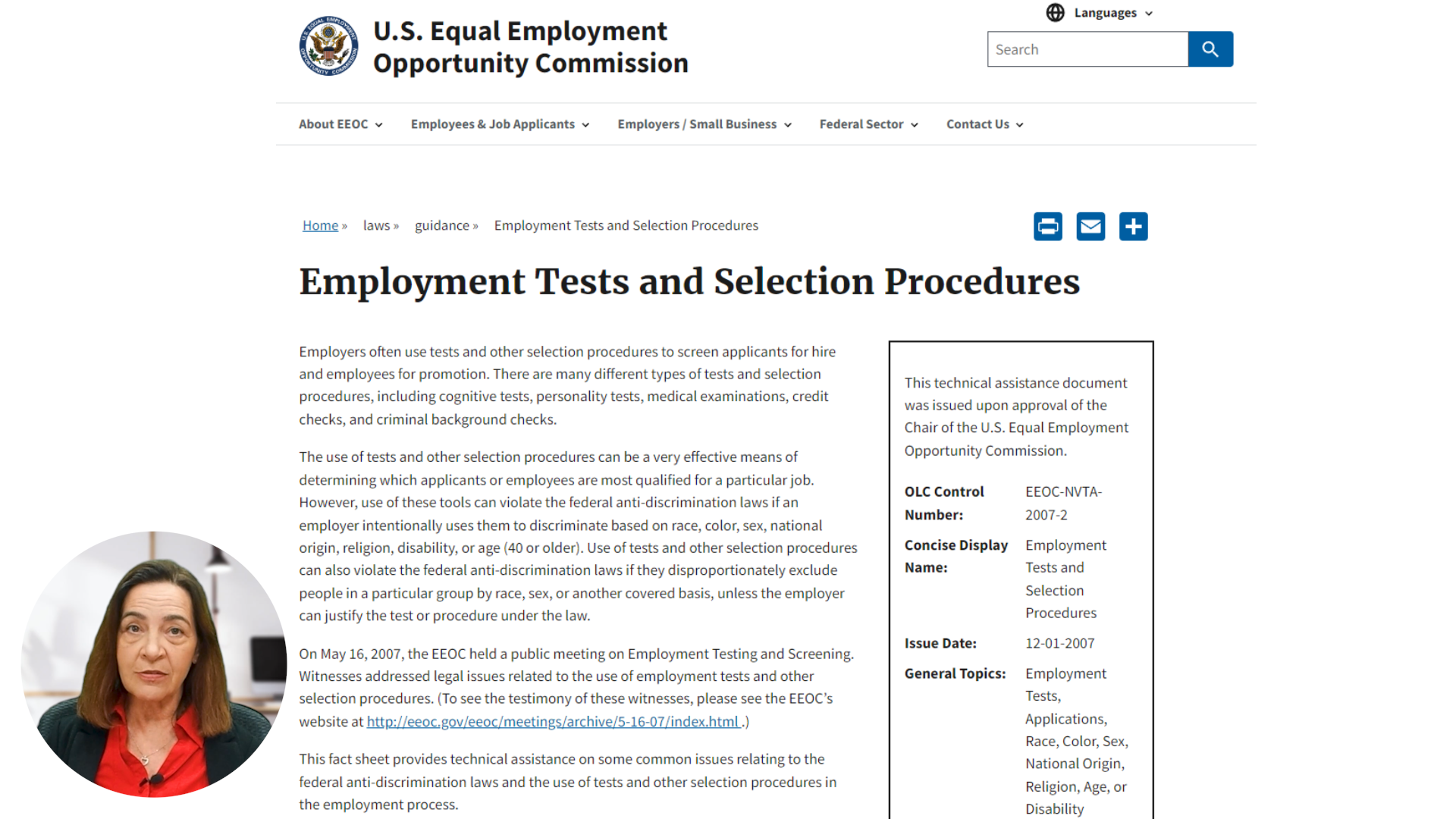
FCEs can influence employment decisions, so legal considerations matter. One important framework comes from the Equal Employment Opportunity Commission (EEOC), which provides guidance for employment selection procedures. For FCE-related testing, the key expectation is that procedures are applied fairly and avoid discriminatory impact.
In practical terms, the standards emphasize that testing should be job-related and consistent with business necessity. That pushes us to connect test content to job demands, apply consistent procedures, and document clearly enough that the rationale can withstand scrutiny. Legal alignment also supports ethical practice by reinforcing unbiased evaluation and respect for the individual being assessed.
Content validity and why it matters
Content validity is the degree to which evaluation tasks represent the real job functions being considered. In an FCE, strong content validity means the activities are not random exercises. They are selected because they meaningfully map to material handling, movement demands, posture tolerance, and other essential job requirements.
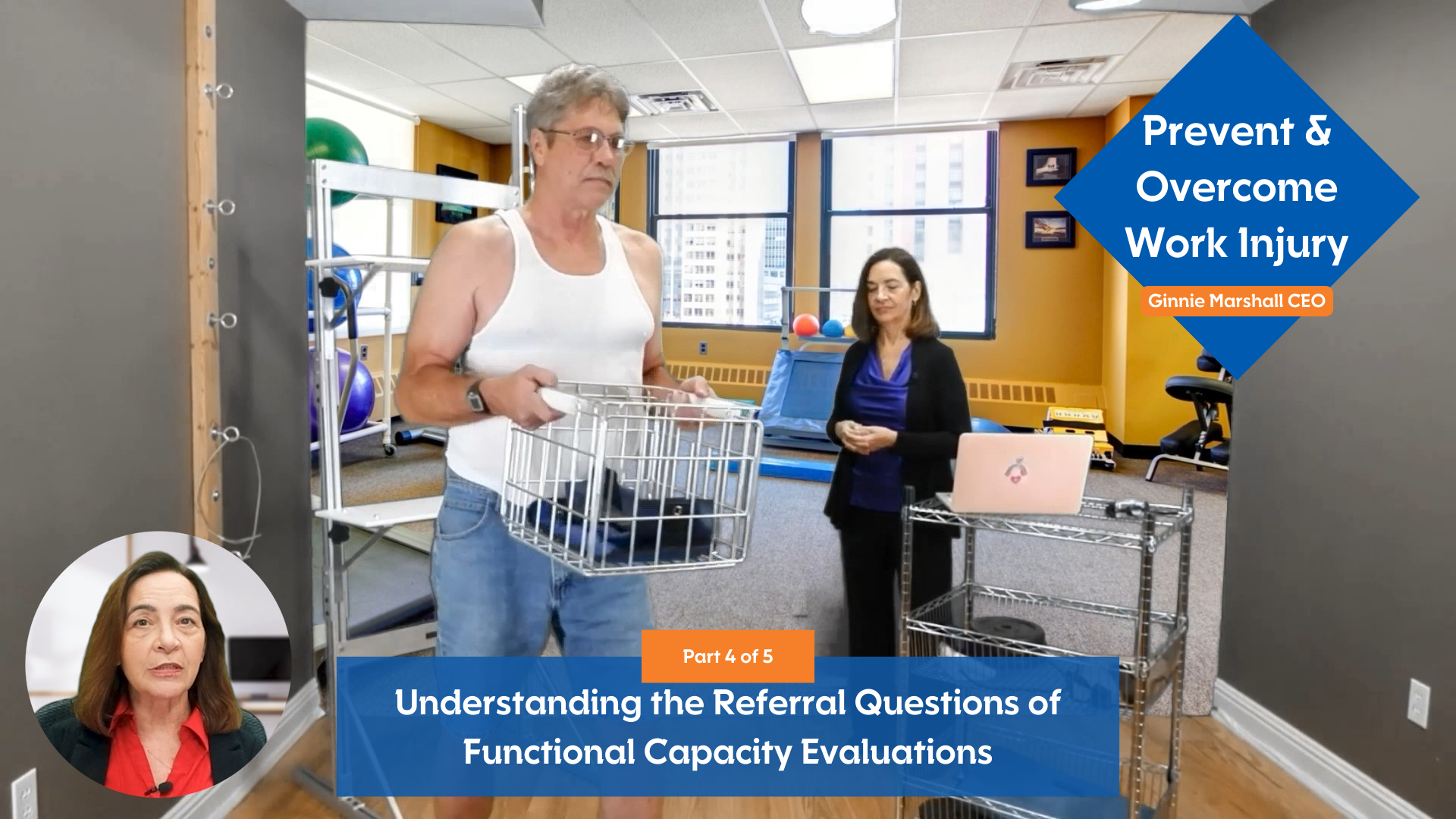
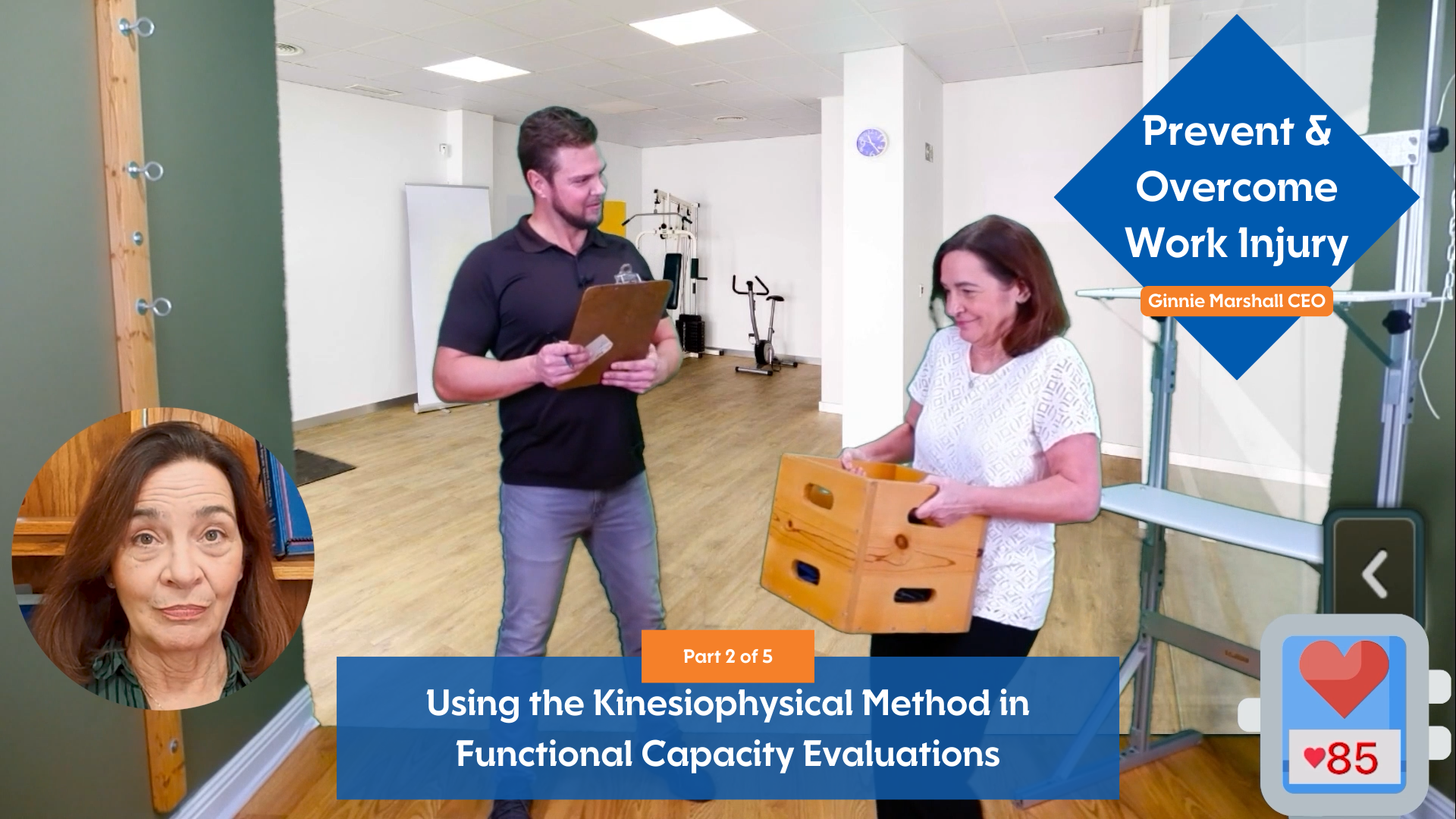
At DSI Work Solutions, content validity drives task design and sequencing. Lifting tasks are structured to reflect common workplace lifting requirements. Other components may include pushing, pulling, grip strength, coordination, walking, sitting tolerance, and stair or ladder demands when appropriate. When tasks reflect real work, results are easier to interpret and explain to stakeholders.
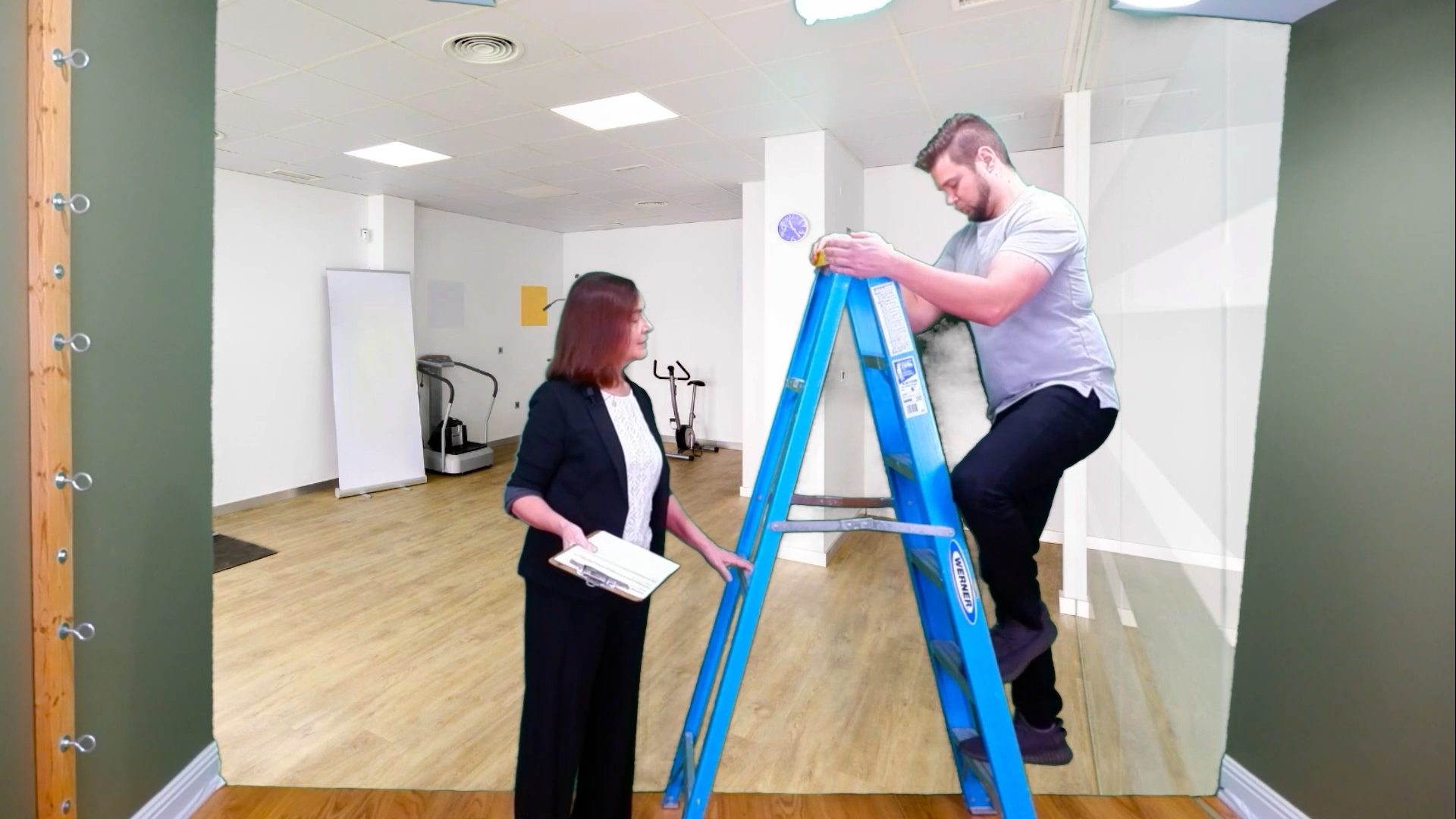
Translating FCE findings into real-world application
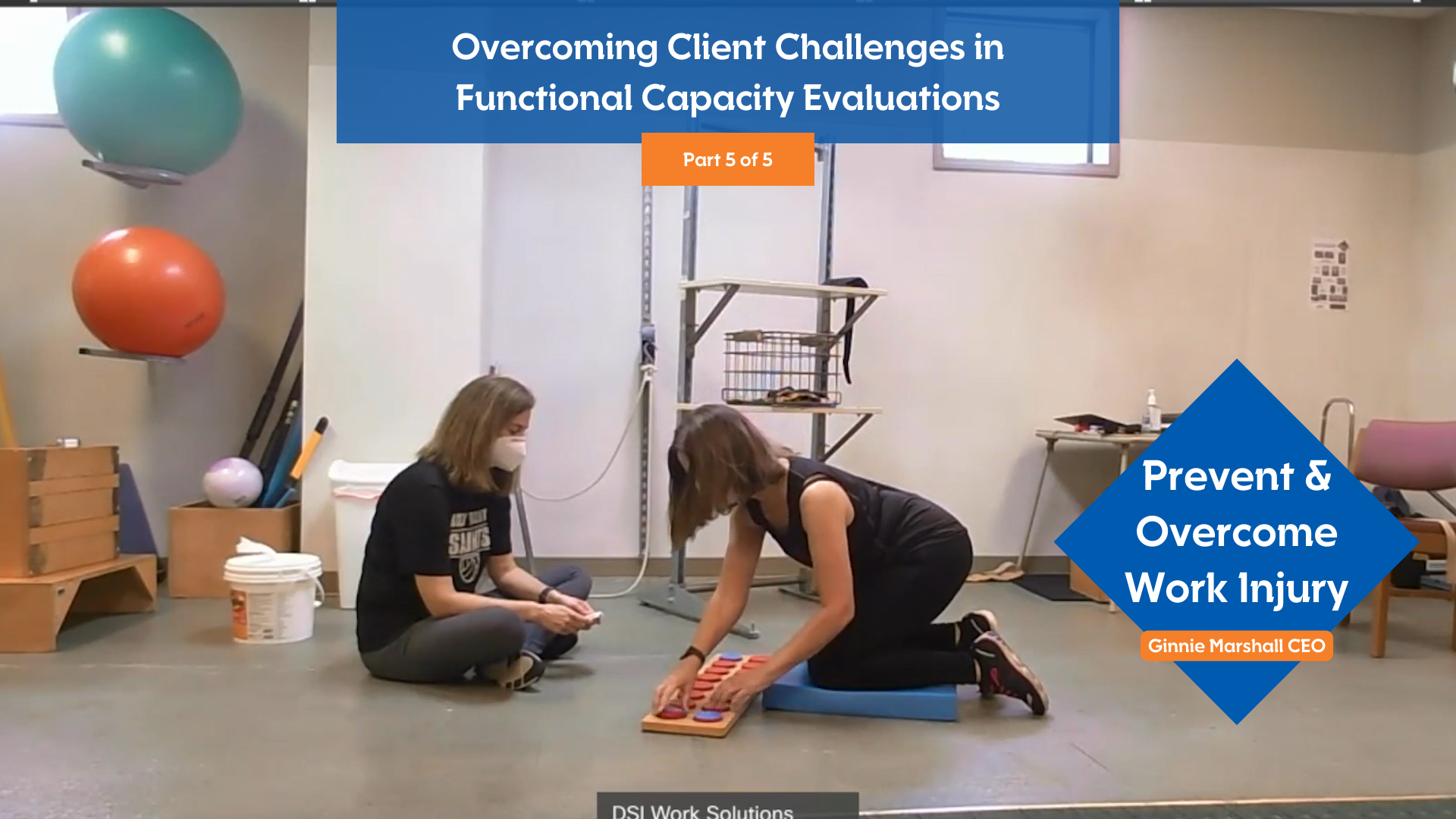
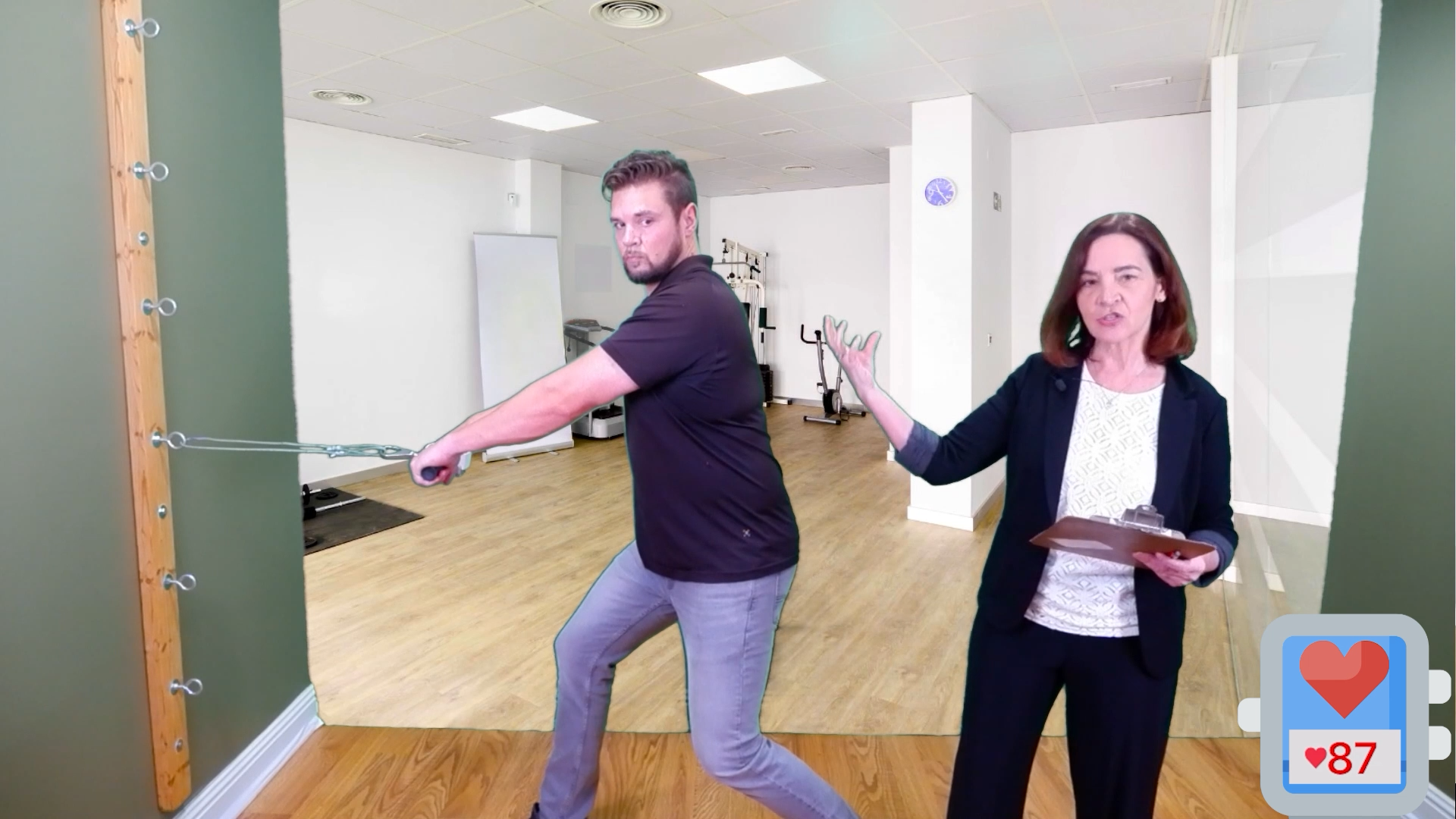
A content-valid FCE also considers the flow of work, not just isolated tasks. A well-structured sequence often starts with a walking test to establish baseline mobility and endurance. It may then progress into lifting and carrying to reflect material handling demands, followed by push-pull tasks that capture upper-body strength and coordination requirements.
Importantly, the sequence should mimic the varied nature of most jobs. For example, material handling can be interspersed with positional demands such as kneeling, static standing, or reaching. This approach helps evaluate how a person tolerates changing demands and how performance holds up across a more realistic work pattern.
Learn and grow
If you want to strengthen your FCE practice with content-valid structure and clear documentation, explore our resources and training on our Functional Capacity Evaluation page. You can also register for our FCE Independent Learning course, including a free first lesson to preview the depth and practical focus of the material.