Introduction
Functional Capacity Evaluations (FCEs) are a key tool for assessing a person's ability to perform work-related activities after injury or illness. They shape rehabilitation strategy and support safer, more informed return-to-work decisions. In the fourth part of our educational series, the focus shifts to the specific referral questions an FCE is meant to answer.
When the referral question is clear, the evaluation can be structured to deliver exactly what the decision-maker needs. Below are the most common questions that prompt an FCE and how each one guides test selection, interpretation, and reporting.

Assessing current workability
One of the most common referral questions is whether a person can safely return to their prior job after injury. Answering this well requires tying observed performance to the essential demands of that job, not just general strength or tolerance.
An FCE may evaluate strength, endurance, mobility, and task-specific capacity relevant to the role. The resulting recommendations often include full duty, modified duty, or a graduated return-to-work plan. The priority remains the same: support a transition that is effective while protecting health and safety.
Evaluating general workability after peak medical improvement
Another frequent question is broader: what is the individual's overall work capacity now that they have reached peak medical improvement? This is less about a single job and more about defining sustainable functional capacity across work types.
FCE findings can help establish work restrictions and identify appropriate work levels. For some people, that means lighter duties or targeted ergonomic changes. For others, it may help identify alternative roles that better match current capabilities, supporting long-term, realistic employment decisions.

Identifying functional impairments related to injuries
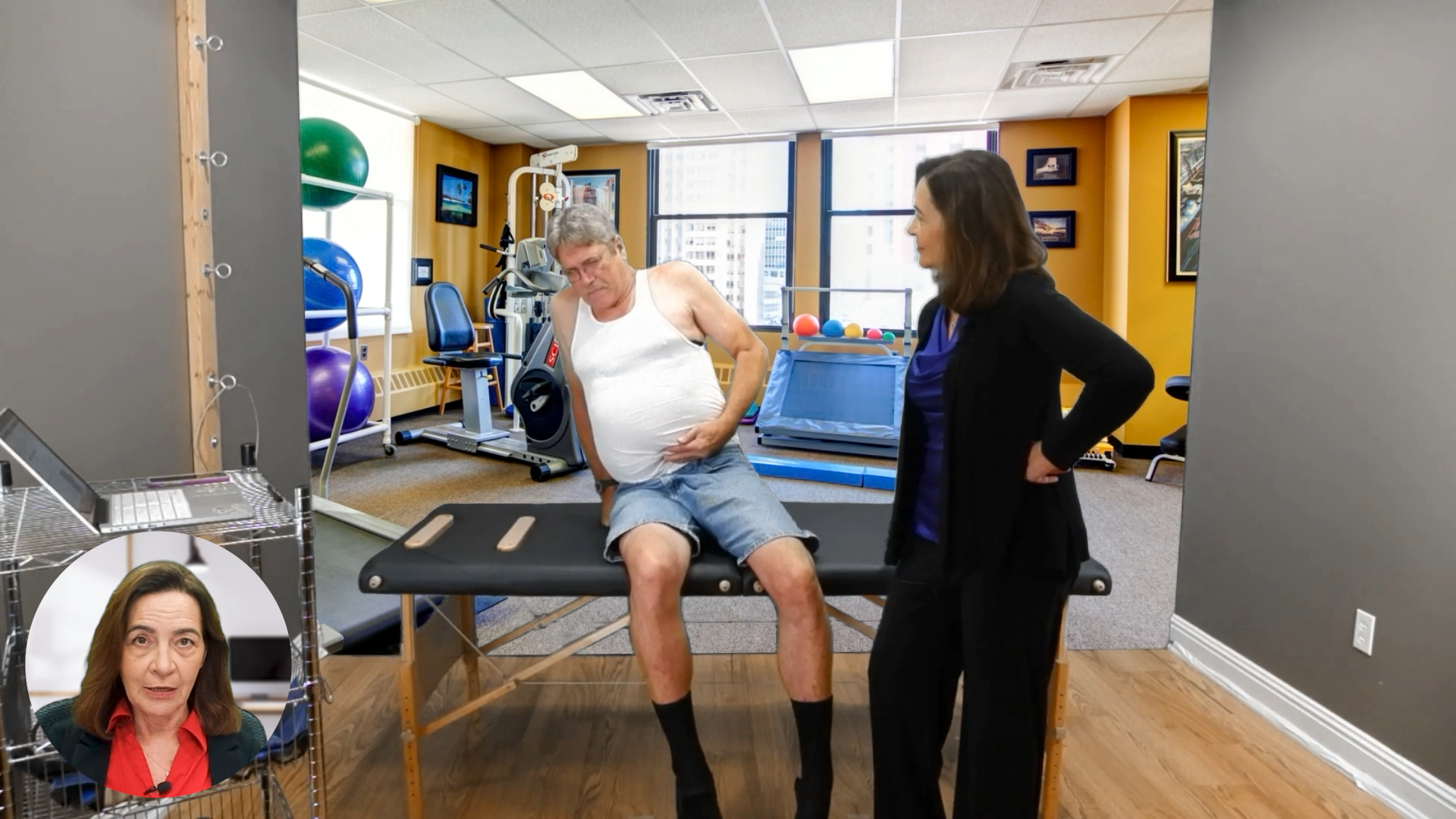
FCEs are also used to identify functional impairments tied to a specific injury. The evaluation is structured to pinpoint how the condition affects task performance, such as grip strength and dexterity after a hand injury or tolerance for bending and lifting after a back injury.
These findings are often important for insurance and workers' compensation decisions. Clear documentation of the impairment, its functional impact, and the basis for restrictions supports fair determinations and can guide rehabilitation by targeting deficits that are limiting work performance.
Determining the need for reasonable accommodations
Another common referral question asks what workplace accommodations may be needed. This requires comparing essential job functions with the individual's current abilities and identifying practical adjustments that reduce risk while maintaining productivity.
Recommendations might include ergonomic changes, tools, task rotation, altered schedules, or temporary restrictions. When the rationale is specific and job-relevant, it supports constructive planning among the employee, employer, and healthcare team and promotes a more inclusive work environment.
Functional evidence and legal importance
Objective functional evidence carries weight in legal settings, especially when there are disputes about work ability, restrictions, or accommodation needs. An FCE provides observable, task-based data that helps clarify what a person can do safely and consistently.
Attorneys and claims professionals may rely on this evidence to support or challenge conclusions in workplace injury cases. A well-structured FCE can bridge the gap between medical findings and legal decision-making by grounding recommendations in documented functional performance.
Learn and grow
To build stronger skill in structuring evaluations around referral intent and writing clear, defensible recommendations, explore our resources and training on our Functional Capacity Evaluation page. You can also preview our FCE Independent Learning course by starting with the first lesson at no charge.