Introduction
In rehabilitation and workplace wellness, job analysis is a cornerstone that supports safer decisions and better outcomes. Strategic job analysis is not only about listing tasks. It is about understanding the real demands of work so interventions, prevention initiatives, and return-to-work planning match what employees actually do.
When we apply job analysis thoughtfully, we can reduce injury risk and improve efficiency at the same time. The result is clearer communication, stronger planning, and safer implementation across the workplace.
The essence of job analysis
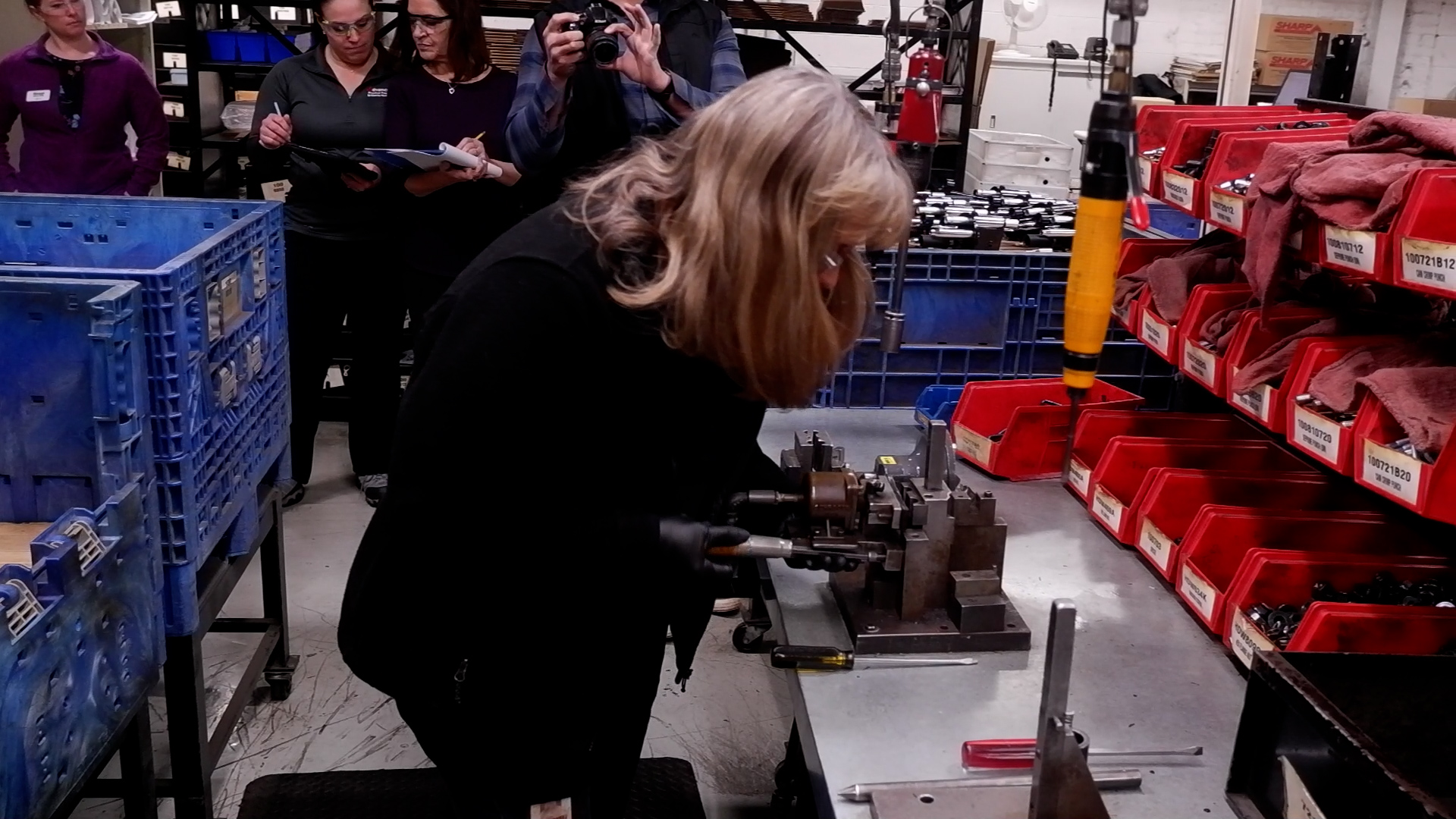
Job analysis is a detailed look at what a job involves, not just a summary of duties. It clarifies the essential functions that define the role and helps identify the capabilities required to perform the work safely and consistently.
A central output is an essential function list, sometimes called a job function list. This list is typically short and specific, often five to ten core functions. That clarity creates a shared understanding for rehab professionals, employers, and employees and supports more effective intervention planning.
Steps in conducting a job analysis
Begin with the job description from human resources. It provides a baseline view of responsibilities and requirements. Because job descriptions often miss key physical details, the analysis should align with the document while verifying and refining what the job truly demands.
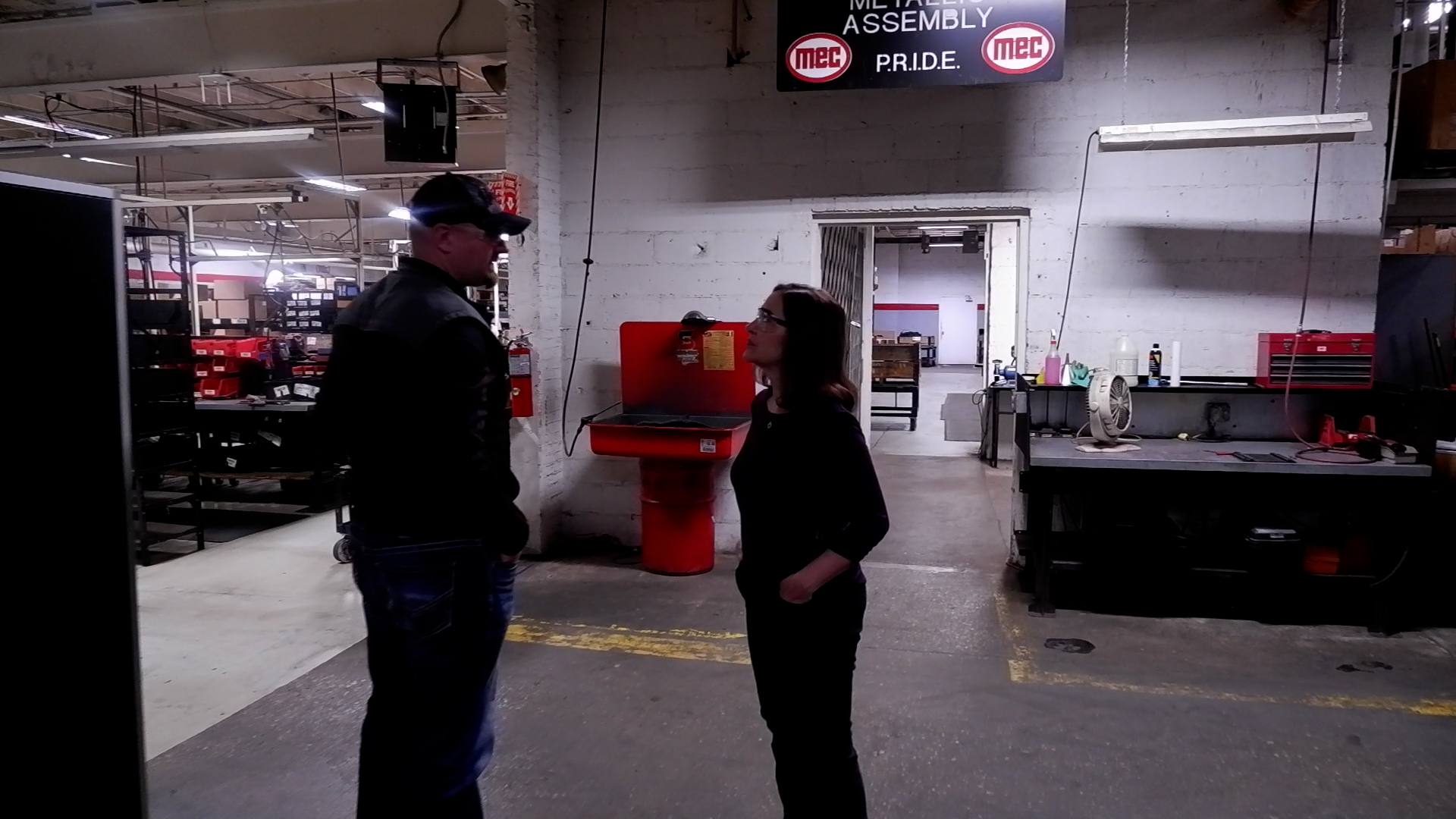
Next, complete a walkthrough of the work environment. Seeing the job in context reveals how tasks are performed routinely, not just how they are described. A walkthrough also builds visibility and trust with employees and supervisors, which improves the quality of information gathered throughout the process.
Stakeholder meeting, planning, and execution
A stakeholder meeting is often the turning point between a good analysis and a useful one. Bringing together employees, supervisors, union representatives, safety staff, and HR ensures the job function list reflects real working conditions. Employee input is especially valuable because it captures the daily realities of the role.
Planning matters just as much as observation. It includes selecting equipment, choosing which employees participate, and scheduling timing that allows accurate measurement with minimal disruption. Strategic planning improves efficiency and increases the likelihood that findings translate into action.
Impact and benefits of a well-developed job function list
A well-developed job function list improves communication across stakeholders. It creates a practical bridge between employees, management, employer representatives, and healthcare professionals who need a clear understanding of the job. This clarity supports injury prevention initiatives and improves return-to-work outcomes because decisions are grounded in what the job actually requires.
For clinicians, better job clarity supports more job-aligned rehabilitation and return-to-work planning. For employers, it provides a foundation for targeting prevention efforts, guiding job modifications, and planning accommodations. These improvements can reduce downtime, lower costs, and help avoid inadvertent discrimination concerns through clearer, more consistent decision-making.
Conclusion
If you want to improve injury prevention and return-to-work outcomes, start by clarifying the work. Strategic job analysis supports safer interventions, more effective planning, and stronger communication throughout the organization.
To dive deeper and apply these concepts with practical tools, explore our Job Function Matching page.