Introduction
Job analysis is an integral part of physical and occupational therapy in work injury prevention and management. It helps professionals understand what work actually requires, how risk shows up during routine tasks, and what needs to change to improve safety and performance.
In this article, we focus on the essentials of practical job analysis and how to apply it in the field. The goal is simple: create clear, measurable information that supports safer decisions across teams.
The role of the job analyst
The job analyst is the conduit for accurate, job-relevant information. The role goes beyond observation. It includes gathering details about tasks, tools, work methods, and the environment so the physical demands of work are understood in a way that can be documented and used.
Collaboration is essential. The job analyst works with employees, supervisors, and safety professionals to ensure the process reflects real conditions and produces findings that are practical and actionable. When the approach is agreed upon and transparent, the analysis is more reliable and more likely to be used.
Preparing for job analysis
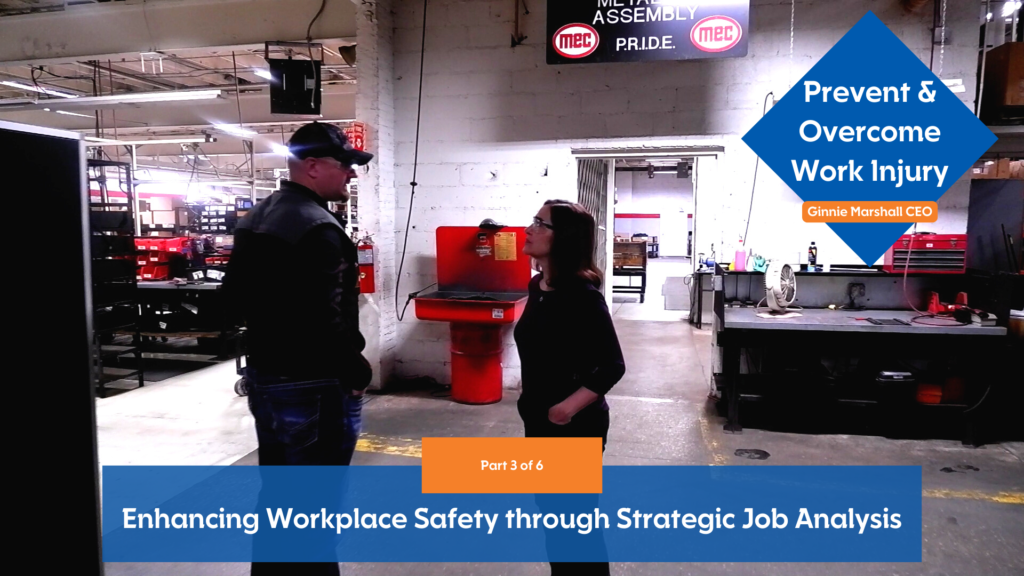
Preparation starts with an on-site visit to understand the work environment. This allows the analyst to see tools and equipment, observe how work flows, and identify where physical demands and risk concentrate. It also provides early context that helps focus the detailed analysis.
Next, establish ground rules through meetings with employees and supervisors. Clarify objectives, explain what will be measured, and invite input early. That transparency builds trust and improves the accuracy of the information gathered throughout the process.
Analyzing physical job demands
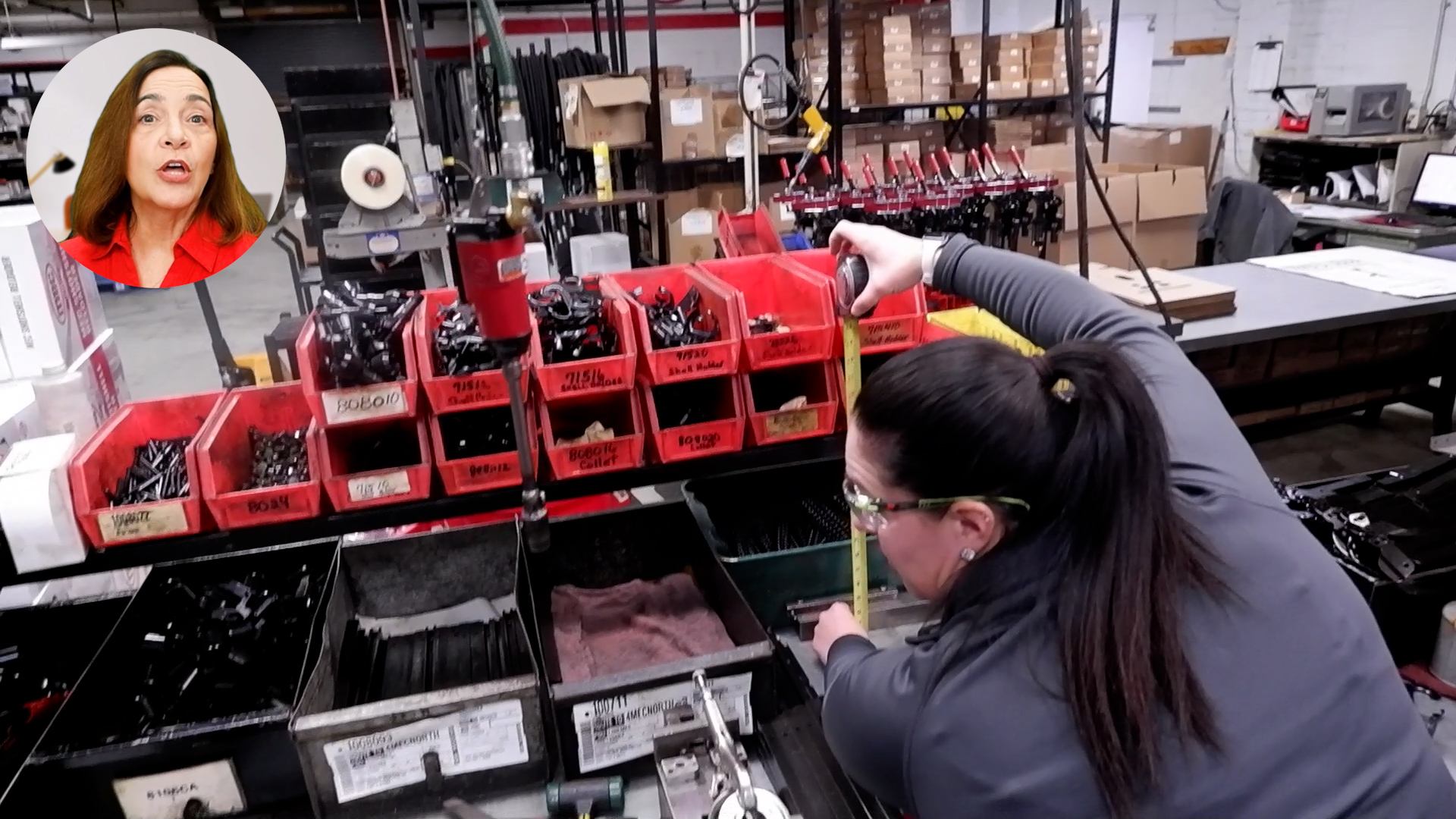
Practical job analysis requires identifying and measuring the critical physical aspects of a role. This includes quantifying lift demands, postures, ranges of motion, force requirements, and frequency. Accurate measurement matters because prevention strategies and job design decisions depend on the numbers, not assumptions.
Employee participation improves accuracy. When employees demonstrate how tasks are actually performed, the analyst can capture real methods and real constraints. Agreement on what is documented strengthens the validity of the results and supports shared ownership of the findings.
Data capture scenarios
In practice, job analysis data is captured in three common ways. The first is observing employees during real job performance, which provides the most direct view of routine demands and workflow.
The second is employee demonstrations, which are useful when tasks are infrequent or difficult to observe during a normal shift. The third is scheduled observation, where the analyst returns at a planned time to capture tasks that occur under specific conditions. Using all three when needed helps ensure the analysis is complete.
Documentation and efficiency
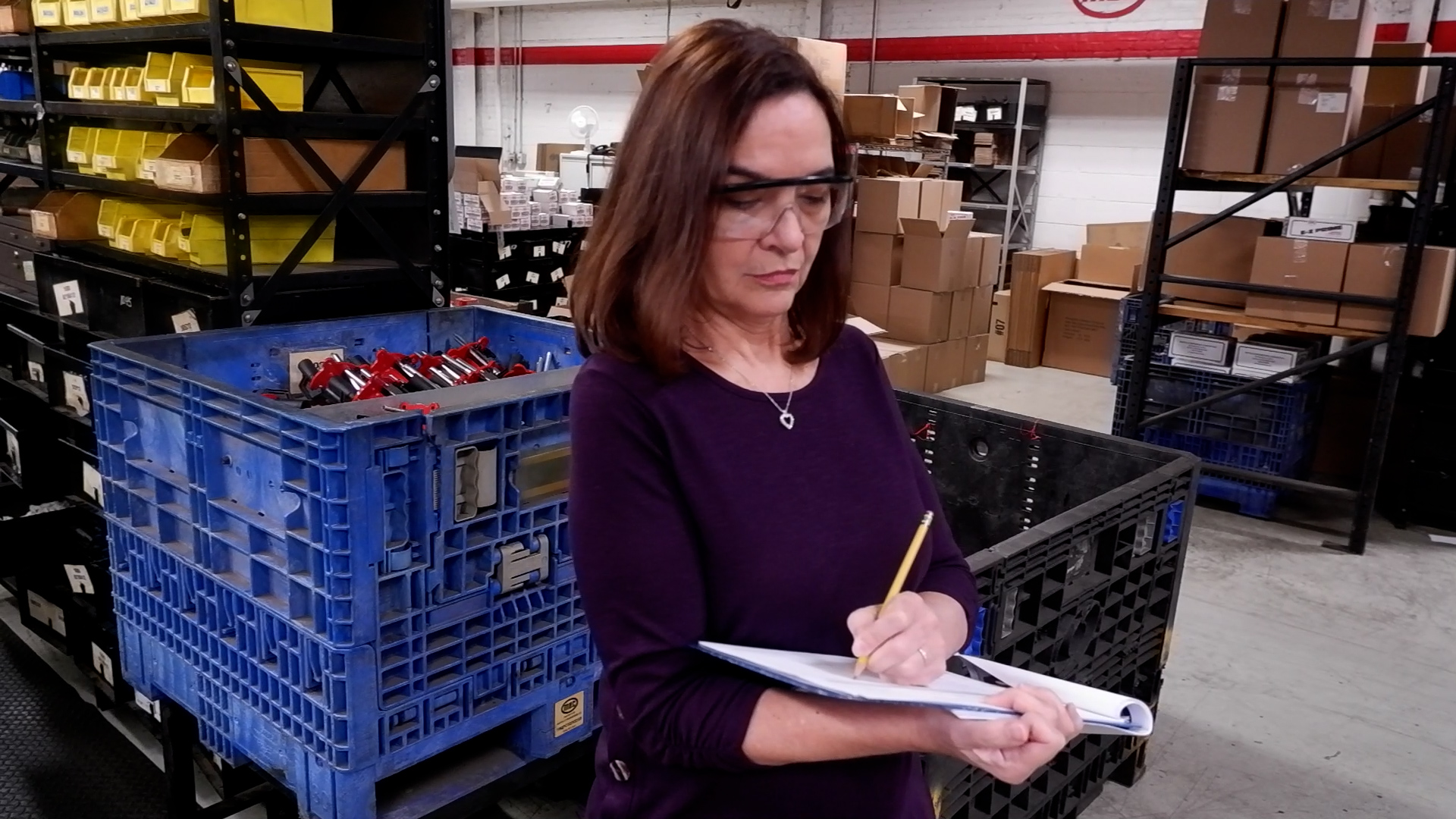
Documentation is only helpful if it is clear, concise, and accessible. It should be reader-friendly and focused on practical use, helping stakeholders understand what the job requires and how to apply the findings to safety and work design.
Efficiency improves when documentation happens alongside the analysis. Use standardized forms or digital tools, and if possible set up a nearby workspace to record measurements promptly. This approach reduces missed details and preserves context, which improves accuracy.
Review and improvement of documentation
Review is a necessary final step. The purpose is to confirm accuracy, refine clarity, and ensure the document reflects the job demands in a way stakeholders can apply.
Involve employees, supervisors, safety representatives, and HR in the review. Their feedback helps validate the data, identify gaps, and increase trust in the final output. When stakeholders see their input reflected, adoption improves and the documentation becomes a living tool rather than a static report.
Conclusion
Practical job analysis is most valuable when it produces objective, usable information that supports safer work. When preparation, measurement, and documentation are done well, teams can identify risk points, improve workflow design, and reduce preventable injuries.
To explore tools, training, and resources that support practical job analysis and implementation, visit our Job Function Matching page.