Introduction
Functional job analysis is one of the most practical tools for preventing work-related injury and managing cost. When you can describe what a job truly requires, you can place people more safely, set clearer expectations, and reduce avoidable risk.
In this series, I share how structured job analysis improves communication and decision-making for the teams responsible for safety, claim management, and return-to-work outcomes.
Why job analysis matters
Many workplace injuries are predictable. Musculoskeletal claims often stem from repeated exposure to lifting, pushing, pulling, bending, reaching, and sustained postures. When those demands are not clearly defined, it is easy to misjudge risk and hard to prevent problems.
A job analysis makes the physical requirements visible and measurable. That gives safety leaders, HR, case managers, and clinicians a shared reference point for what the job involves and what needs to change to keep people safe.
Job analysis as a driver of injury prevention
Job analysis helps quantify risk by breaking down tasks into specific demands. When you document the details, you can identify where injury risk concentrates and select targeted controls rather than generic training that may miss the real stressors.
It also improves communication. Instead of relying on vague descriptions, stakeholders can discuss job requirements using a common framework. This clarity supports faster agreement on prevention strategies and safer work design.
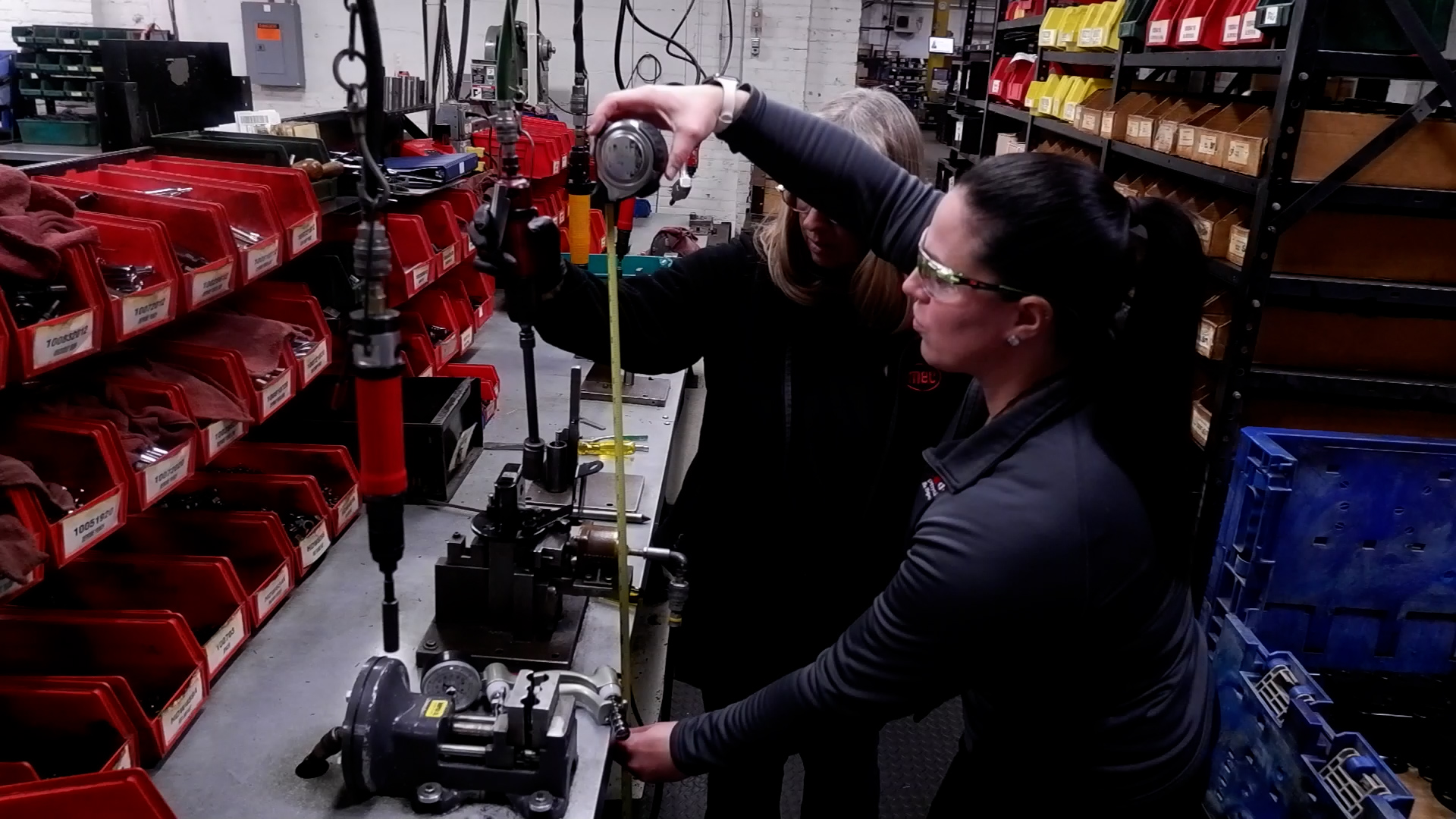
The power of employee engagement
Employee involvement strengthens job analysis. When workers participate in describing tasks and identifying risks, the analysis becomes more accurate and the resulting controls are more likely to be used in daily work.
This is also where the biggest return shows up. Targeted, job-specific findings lead to job-specific action. That can reduce injury frequency, shorten time away from work, and limit the downstream costs that come with repeat claims and delayed recovery.
What the series covers
In the full job analysis series, we walk through the core steps needed to build a useful, repeatable process:
- Define what job analysis looks like and why it improves stakeholder communication
- Identify essential job functions so return-to-work and safety decisions stay aligned
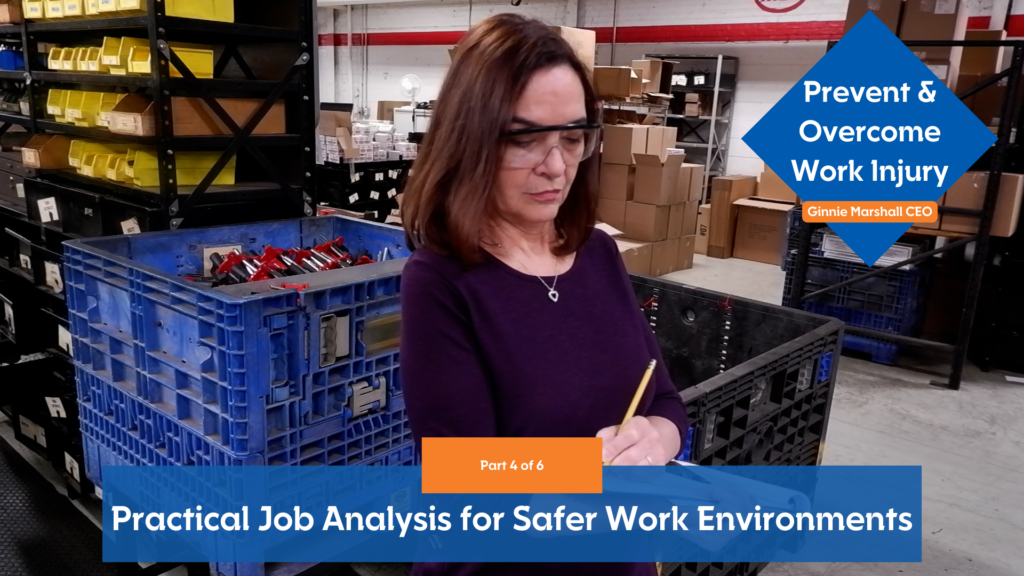
- Measure physical characteristics accurately so risk and capacity are described clearly
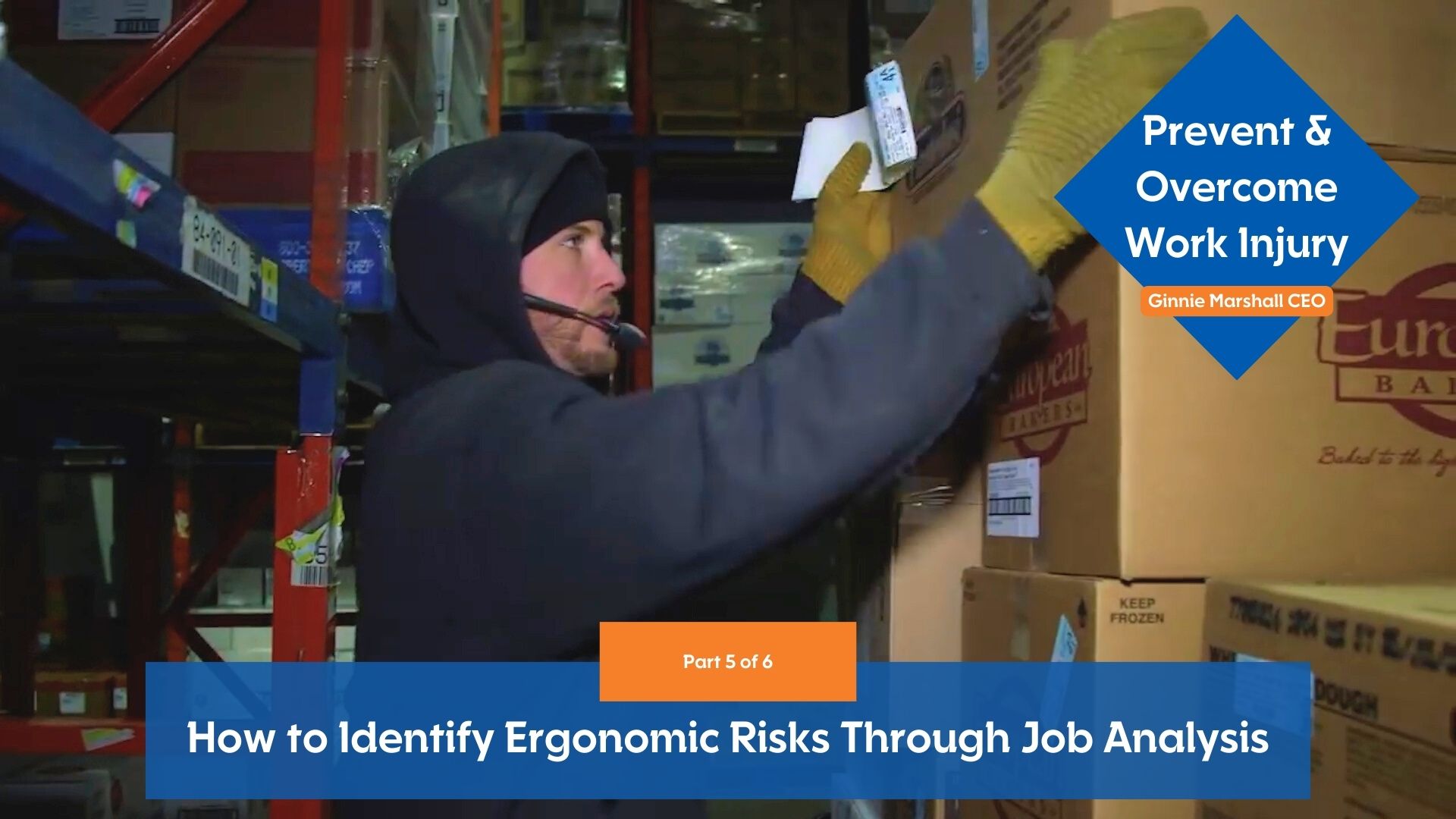
- Evaluate entry-level ergonomic interventions that address common stress factors
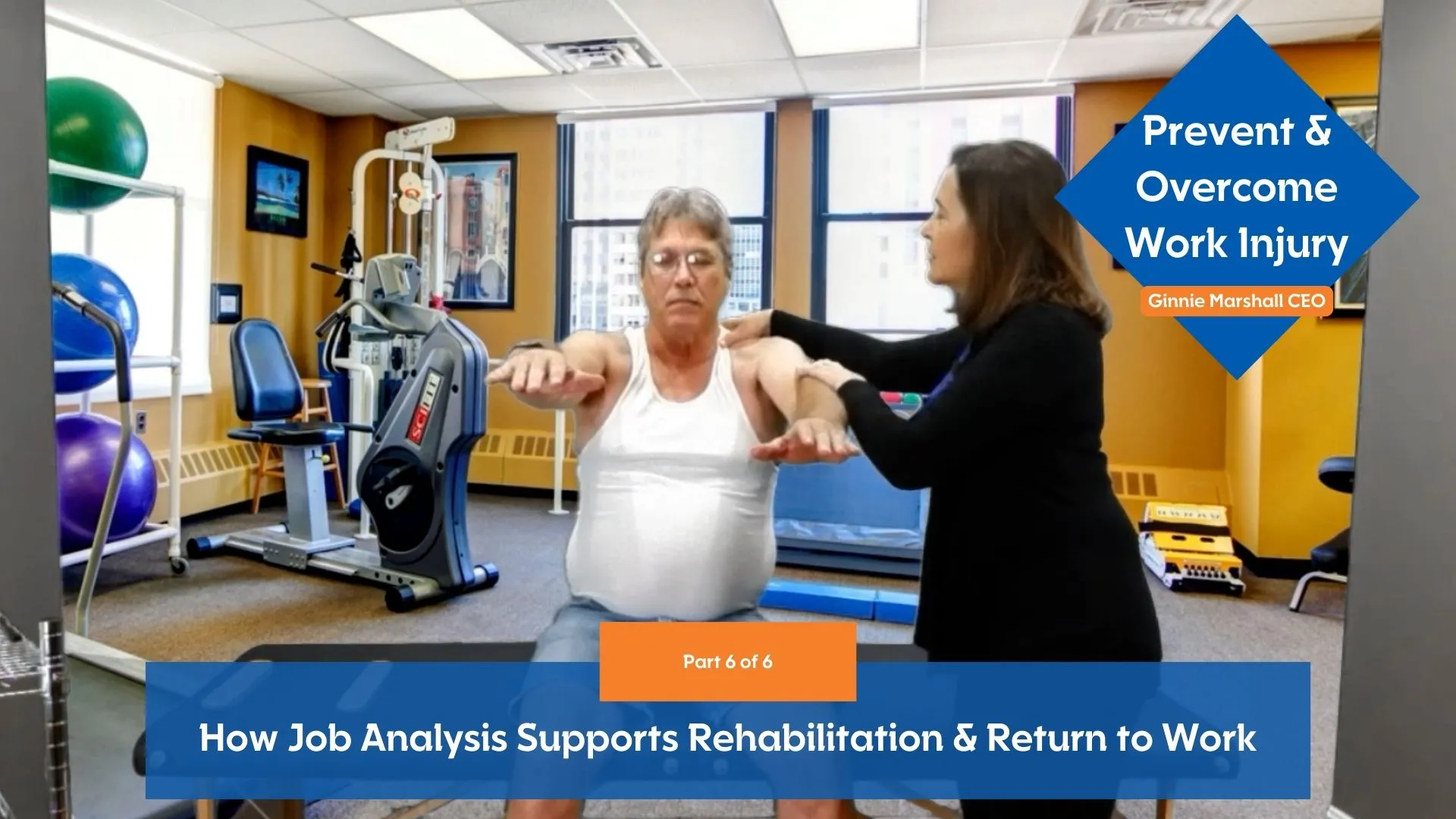
- Use the documentation to improve outcomes, including interpreting restrictions and supporting treatment planning
Conclusion
If you want to reduce injury risk and improve return-to-work outcomes, start by improving how you describe the work. A strong job analysis process helps you prevent problems before they happen and supports smarter decisions when an injury does occur.
To explore tools and resources that support job analysis and job-aligned decision-making, visit our Job Function Matching page.