Introduction
Job analysis is a cornerstone of workplace injury management and rehabilitation because it connects clinical progress to real job demands. By exploring job duties and measuring the physical requirements, return-to-work planning becomes clearer, safer, and easier to defend.
In this final article of the series, we focus on how job analysis supports occupational health and streamlines return-to-work decisions. When stakeholders share a clear picture of what the job requires, plans can be built around safe, measurable expectations rather than assumptions.
The role of job analysis in return-to-work programs
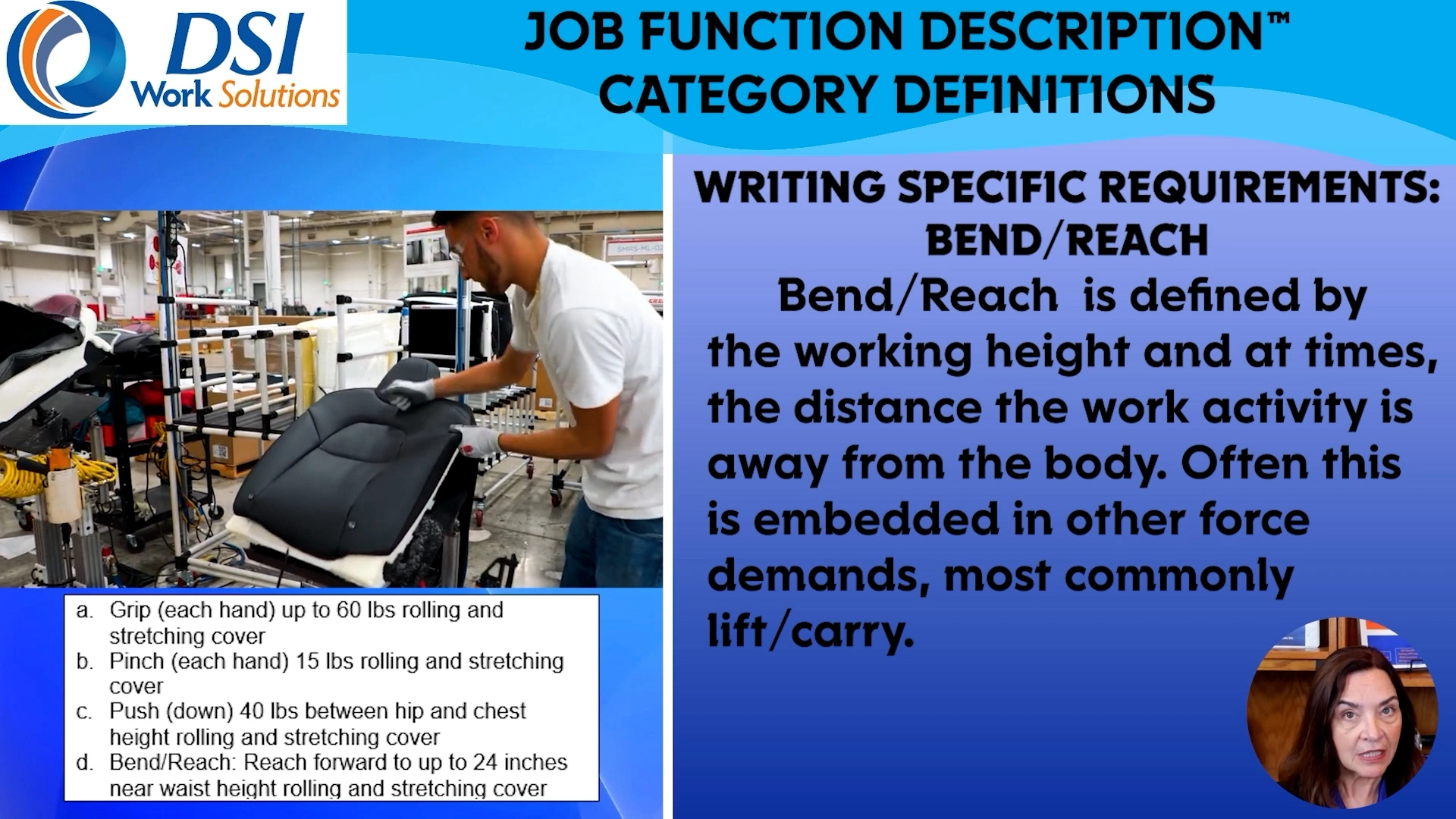
Job analysis supports return-to-work programs by documenting specific job functions and physical demands. That documentation makes it possible to match an employee's current capabilities with job requirements in an objective way.
Clear job function descriptions also help interpret medical restrictions. When restrictions are compared to documented demands, it becomes easier to identify suitable modifications that support recovery while maintaining appropriate productivity.
Enhancing communication among stakeholders
Job function descriptions create a shared language for healthcare providers, employers, and employees. They provide objective information about what the job requires, which improves discussions about work readiness, accommodations, and progression.
This objective view can reduce overly conservative restrictions that result from limited job context. When providers understand the actual job functions, recommendations can support meaningful work activities that align with rehabilitation goals while preserving safety.
Job function descriptions as a tool for healthcare providers
Healthcare providers can use job function descriptions to make more informed decisions about restrictions and safe work activities. Because the descriptions capture physical demands clearly, recommendations can be tailored to the conditions and tasks a worker will actually face.
This supports clearer return-to-work goals that are directly tied to job demands. It helps ensure the rehabilitation plan focuses on the abilities needed for the role, which often improves efficiency and reduces uncertainty for the worker and the employer.
Case study: the grocery stocker
A grocery stocker is a useful example of how job analysis changes rehabilitation planning. Job analysis may identify push and pull strength as a primary demand due to carts, pallet jacks, and dollies that must be controlled safely.
When rehabilitation includes targeted push and pull conditioning based on those documented demands, the worker is more likely to return with the capacity needed for the job. That reduces re-injury risk and supports safer performance on day one back at work.
The impact on job coaching and employee confidence
Job function descriptions also support job coaching by reducing fear and increasing confidence. When workers understand what is expected, coaching can focus on rebuilding skill and tolerance for the tasks that matter most.
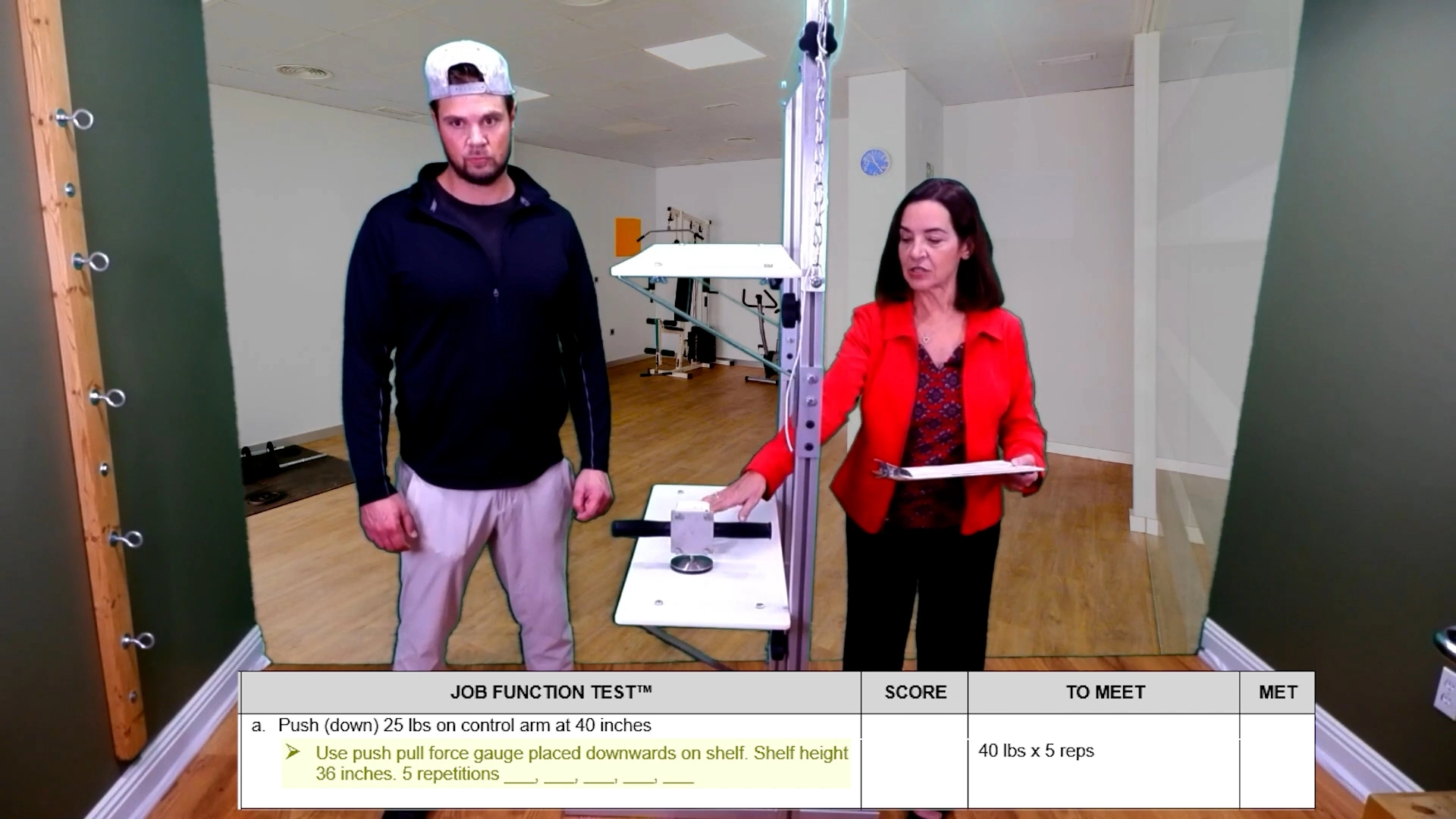
Physical demands testing, guided by job analysis reporting, can reinforce confidence by simulating work activities in a controlled setting. This helps workers feel prepared and reduces anxiety about safe ability and re-injury risk during the transition back to work.
Conclusion
Job analysis strengthens rehabilitation and return-to-work planning by creating objective, job-specific clarity. If you want to deepen your skills and apply these concepts with practical tools, explore our Job Function Matching page.